Home / Machines / Automated systems
Automated cleaning systems · Australia

Automated cleaning systems

Ultrasonic cleaning, rinsing and drying in one machine, with the machine moving the part instead of an operator. Four ways we build it — a three-station line, a multi-tank line with automated transfer, a sealed rotating chamber, or a system engineered around the part. Every one of them runs a saved recipe, so the cycle repeats the same way on every basket.

What is on this page

Four ways to automate the process

The difference between them is how the part moves and how many baths the process needs. Start there. Tank size, ultrasonic power and connected load all follow from it.

All four are built to Australian supply — 240 V single phase or 415 V three phase, 50 Hz — and quoted as a working system: machine, chemistry, cycle and commissioning in one number, ex GST.

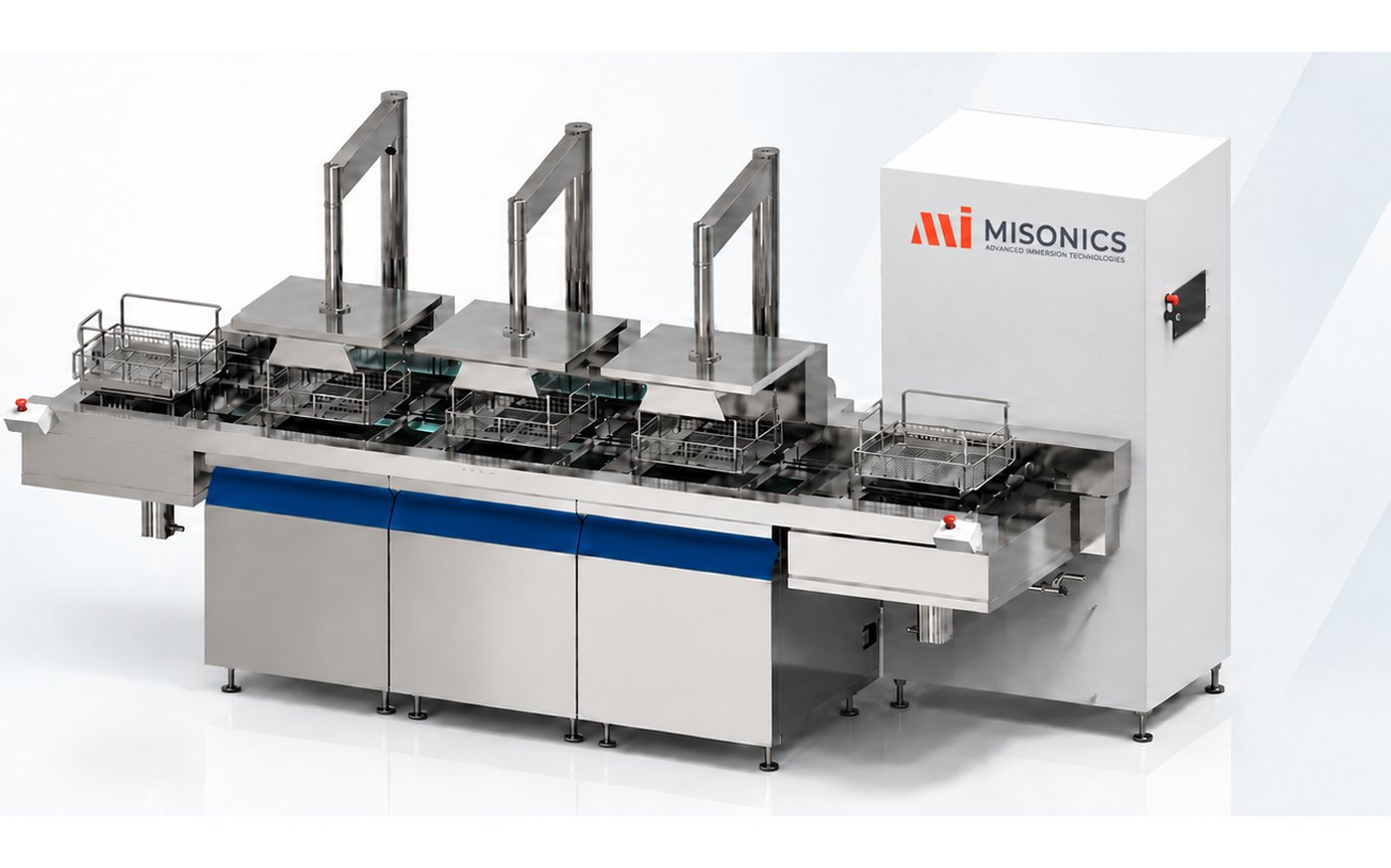
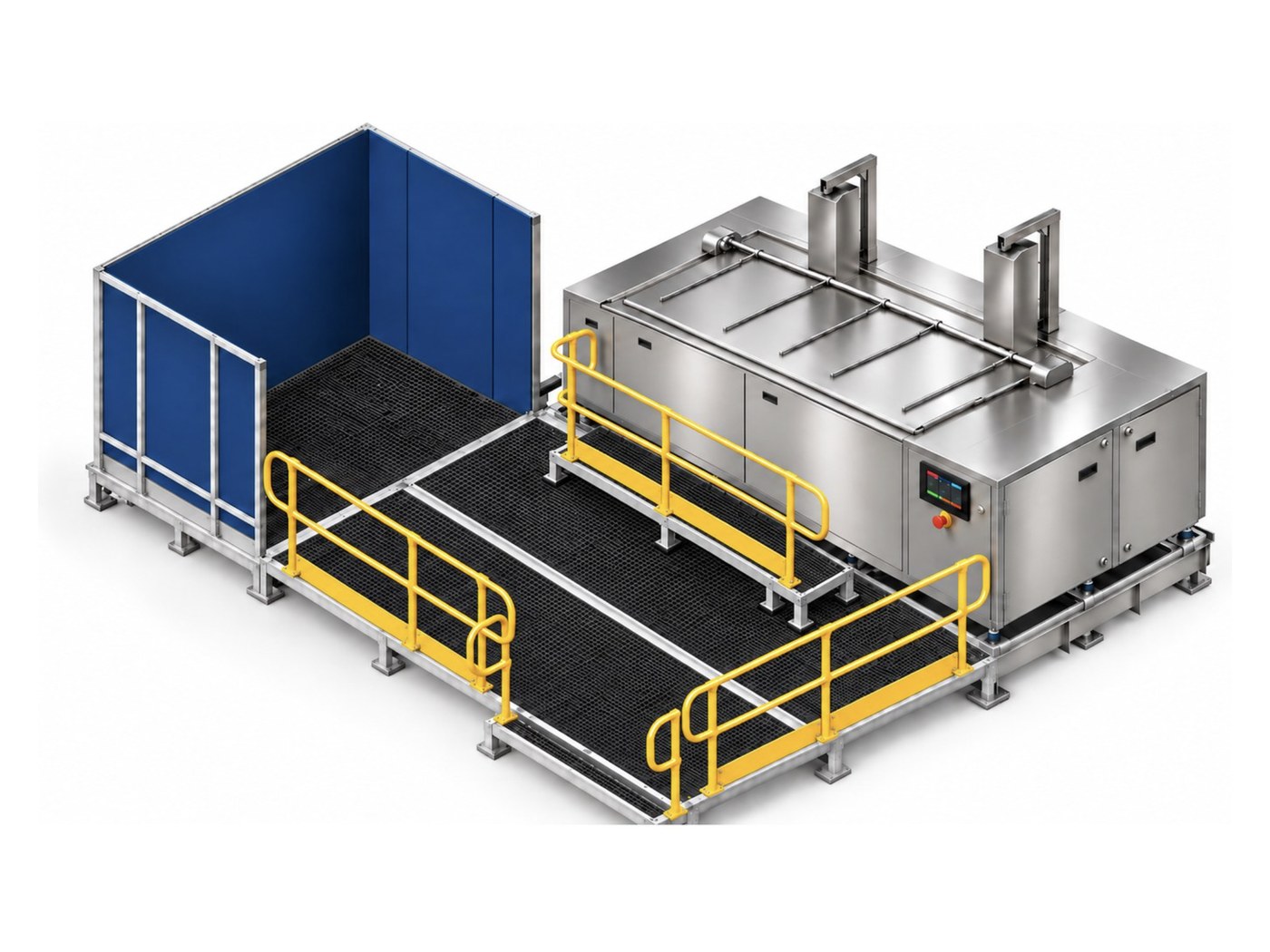
Misonics automated ultrasonic cleaning line — three stations with powered basket transfer and a control cabinet
Side by side

Which one fits the job

Figures are from the model pages. Custom builds are left out of the table because every one is different.

UltraKleen ProSonoLineUltraWash
How the part movesRoller conveyor, lowered into each station from abovePowered transfer between tanks, lids open and close on the cycleThe basket turns inside the chamber; the part is not handled between stages
StagesThree — wash, rinse, hot-air dryTwo to four tanks, set at orderEight, behind one door
Sizes100 / 200 / 320 LST-85 · ST-120 · ST-160 · ST-22070 / 150 / 300, chamber to 355 L
Usable basket600 × 400 × 300 to 1000 × 500 × 500 mmSono basket, sized to the tank470 × 320 × 160 to 620 × 380 × 380 mm
Ultrasonics≈1,500 to 3,750 WDual frequency 25/45 kHz1,500 to 3,000 W, one to three rod resonators
DryingHot airHot air on the last stationForced hot air, then vacuum
SpaceIn line — quoted with your layout2.0 to 4.2 m of line, by tank count2.3 × 2.5 m to 4.2 × 1.8 m
Connected powerHeating ≈10 to 24 kW a station12.4 to 58.8 kWHeating 20 to 40 kW

Open a model page for the full specification: UltraKleen Pro · SonoLine · UltraWash · CM series.

Before you choose

Three questions that decide it

How many baths does the process need?

One wash and one rinse is an UltraKleen Pro or a two-tank line. A wash, two rinses and a dry is three or four tanks. Count the baths first; the size follows.

Does the part have to come out dry?

Hot air dries the outside. Blind holes, galleries and threads hold water, and that is what the vacuum stage on the UltraWash is for.

Who loads it, and how often?

On the in-line machines one operator loads a basket and the machine does the rest. Where the part cannot be handled between stages, the sealed chamber runs the whole cycle behind one door.

Evidence

Machines we have built and run

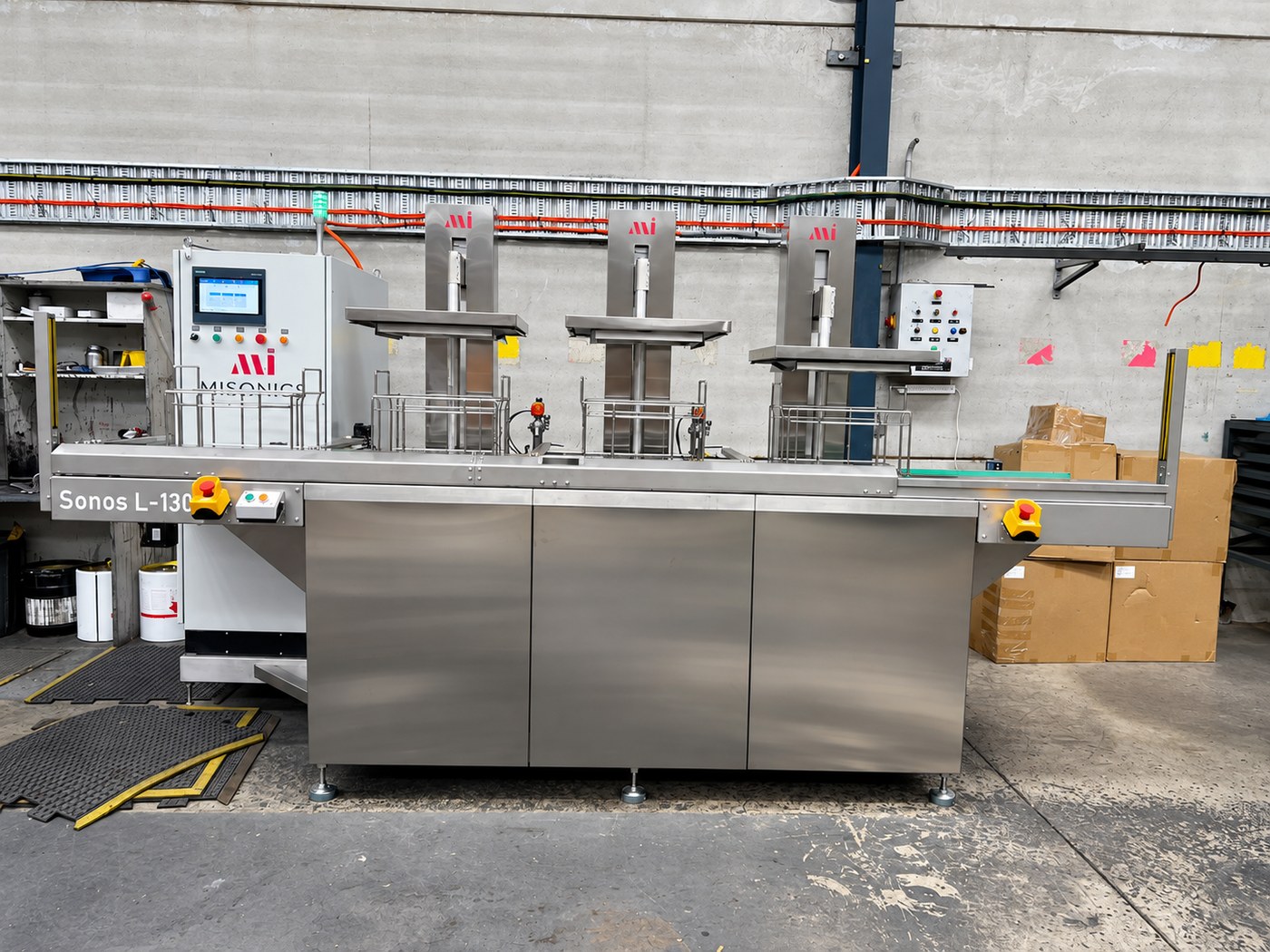
A Sono L-130 three-station line  side elevation, nameplate readable.
A Sono L-130 three-station line — side elevation, nameplate readable.
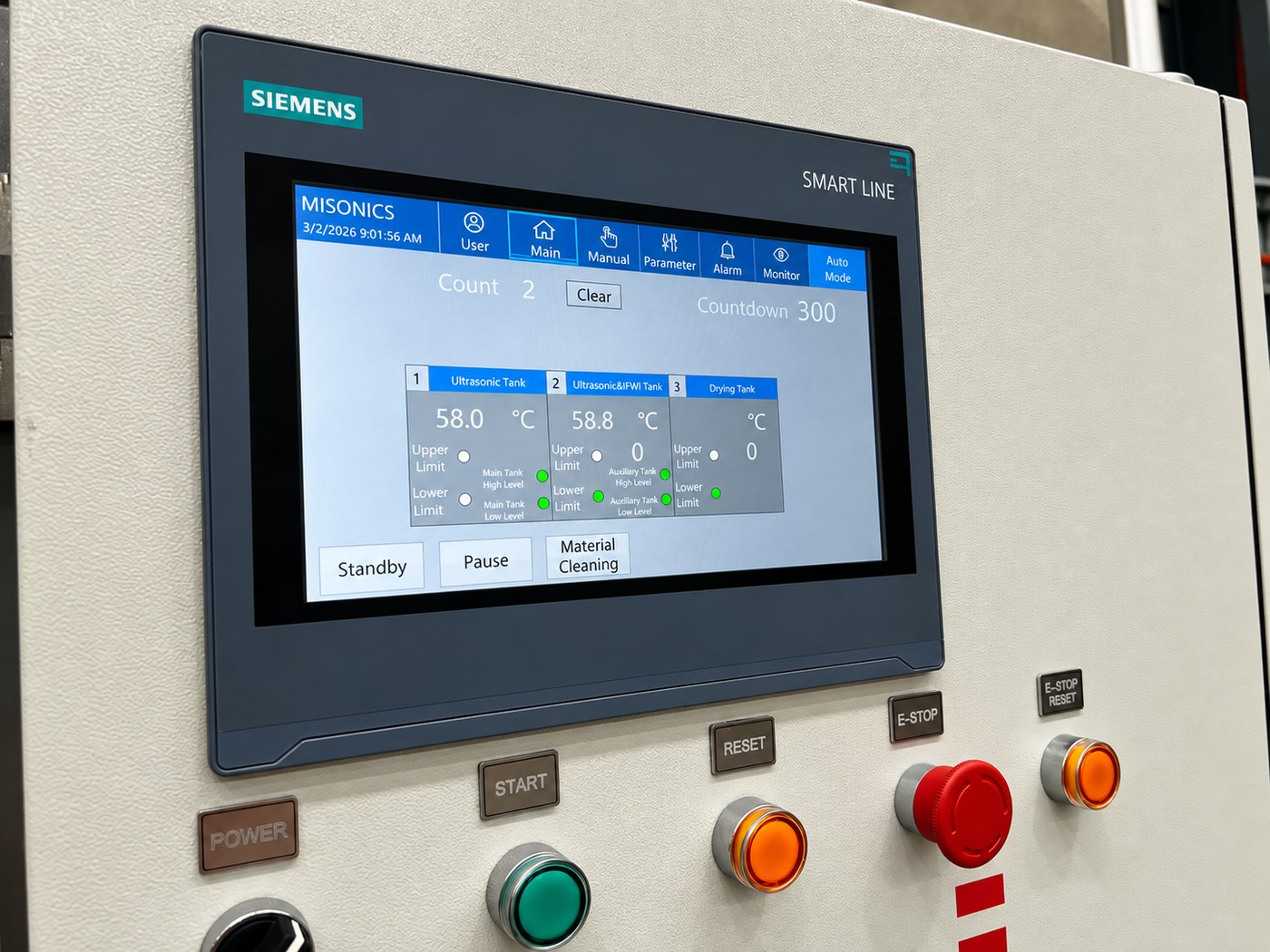
The HMI main screen: ultrasonic, ultrasonic with IFWI, and the drying tank.
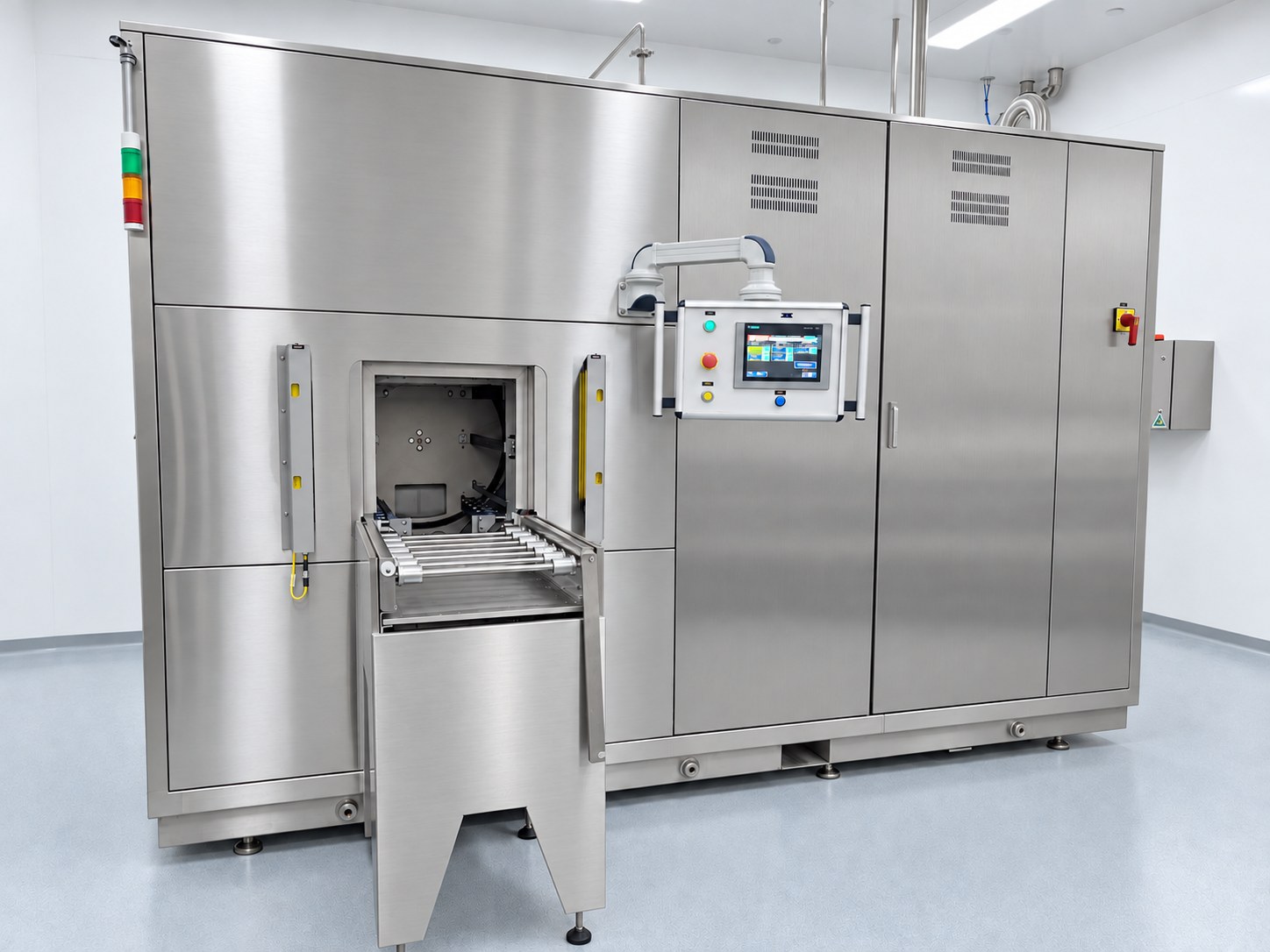
An UltraWash installed  one door, eight stages, filtered Collection Tanks behind it.
An UltraWash installed — one door, eight stages, filtered Collection Tanks behind it.

Read the process behind them: an automated four-tank aerospace line, manual tanks to full production lines, and what each stage in a multi-stage cycle does.

Send us the part and the throughput

Tell us what the part is, what has to come off it, how clean it has to be and how many an hour. We run it on our own machines first, then quote the line that does it — machine, chemistry, cycle and commissioning as one number, ex GST.

Book a cleaning trialBack to machines