Protect for the gap, not for ever. A part going to assembly today needs a hot rinse and a hot dry. A part waiting days in the workshop needs a water-displacing inhibitor dip. A part going to paint or plating needs a surface the next process can accept, which usually means no film at all, or one the paint shop has approved. A part shipped or stored for weeks or months needs to go into a vapour corrosion inhibitor bag dry and sealed. A light oil spray is fine on a part that will be oiled anyway and wrong on a part that must be clean. Work through the four questions below before you pick.
The rinse is the first protection step
Whatever you choose, it goes onto a rinsed part. The rinse takes the cleaning chemistry out of the threads and bores, and it takes off the salts and soils that the wash loosened. A rinse that is cold, dirty or run in tap water leaves the part worse than it looks: the residue dries on the surface and keeps corrosion going under whatever you put on top. Rinse hot, in clean water, demineralised or reverse-osmosis where the part justifies it, and change the rinse before it turns into a weak wash bath. After MetalTek 100, a hot, thorough water rinse is all the part needs. After an acid descaler, neutralise in an alkaline dip and rinse again. Then protect, then dry hot. The order is rinse, protect, dry: a protective film put on a dirty part seals the dirt in.
Before the rinse: the baths that clean steel and cast iron
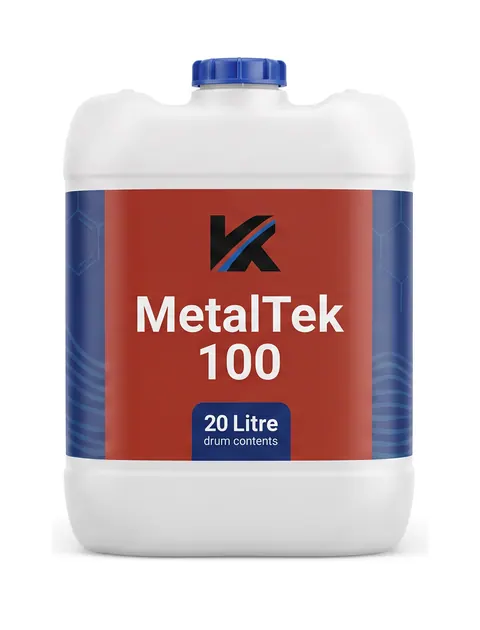 ChemicalMetalTek 100
Grease, rust, scale, carbon and paint off ferrous metals in one bath. Ferrous only.
Open the MetalTek 100 page →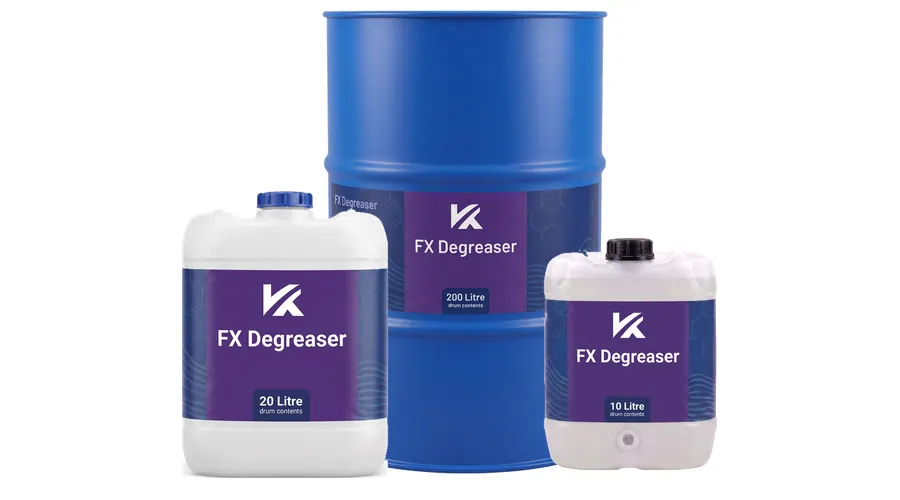 ChemicalFX Degreaser
The general workshop degreaser for steel and cast iron: light grease, oils and shop dirt.
Open the FX Degreaser page →Four questions that decide it
- How long until the next operation? Hours, days, weeks or months. Protection that is right for an afternoon is wrong for a shipment.
- Where will the part wait? A dry, heated workshop is one thing. A shed by the coast, a container, an unheated store with a cold floor, or anywhere the temperature swings enough for the steel to sweat, is another. Humidity and salt in the air decide more than the calendar does.
- What happens to it next? Assembly into an oiled system, machining, inspection, paint or powder coat, plating, welding, or a clean critical path. Each one tolerates a different surface.
- What can the surface tolerate? Some parts cannot carry any film at all. Hydraulic, fuel, pneumatic and oxygen-service parts, parts going to a clean room or a medical or food line, and electrical contacts are contaminated by the very oil that would protect a gearbox shaft. For those, protection has to be film-free: dry, sealed, and vapour-protected.
The options, and where each one belongs
| Protection | What it is | Good for | Wrong for | Notes |
|---|---|---|---|---|
| Hot rinse and hot-air dry | Nothing on the part. Clean water, dry inside and out, cooled before storage | Same-day assembly or machining; parts that get oiled at the next step | Anything that waits overnight in a humid shed | The base of every other option. A dry, cool part rusts slowly; a wet one rusts now. |
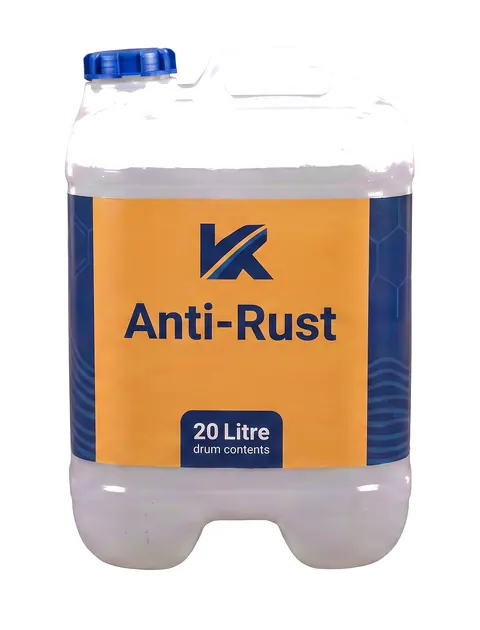
| Water-displacing inhibitor dip (Anti-Rust) | A dewatering dip or final rinse at 2–5%, ambient to 50 °C, one to two minutes, no rinse after. Displaces the water and leaves a short-term inhibiting film | In-process protection on ferrous parts between operations: hours to days in the workshop | Aluminium, zinc, galvanised, magnesium, tin, solder, copper and brass; long storage; parts that must be film-free | Ferrous metals only. The film is the protection, so do not rinse it off. For paint or plating, confirm with the next process whether the film can stay on; the data sheet does not state paint-over. |
| Paintable film or displacing spray | A heavier dewatering film built to be painted over, or a displacing spray for storage | Parts going to paint after a wait; longer storage than a dip gives | Clean critical-path parts | Quoted on request, matched to the paint system and the storage period. The paint-ready dip on our list is Brulin RP 835, in the next section. |
| Light oil spray (WD-40, CRC and the like) | A thin penetrating or light-oil film from an aerosol | A few parts in a workshop that will be oiled, greased or run in oil anyway: shafts, tooling, bearings, fasteners going straight to assembly | Parts going to paint, powder coat or plating; anything on a clean critical path; parts that will be ultrasonically cleaned again; high volumes | Cheap and to hand, which is why so many workshops use it. The thin sprays are penetrants and light lubricants first; check the maker's own data for the protection period before relying on it. The oil film attracts dust, it is uneven on edges and in bores, it contaminates a paint or plating surface, and every sprayed part that comes back to the industrial ultrasonic cleaning tank brings its oil into the bath. |
| Bag and seal | A plain plastic bag, sealed | Keeping dust and handling marks off a dry, cool part for a short time | A warm or wet part; a part stored where the temperature swings | Plain plastic keeps moisture in as well as out. A part that goes in warm sweats inside the bag and rusts in its own condensation. Many workshops bag parts because it looks safe; it is only safe when the part is dry and at room temperature first. |
| Vapour corrosion inhibitor (VCI) bag or paper | A film or paper that releases an inhibiting vapour inside the sealed space | Storage and shipping for weeks or months; critical-path parts that must stay film-free | Open storage, where the vapour blows away; parts that are not dry | The part goes in dry and cool, the bag is sealed, and it comes out with nothing on it. Add a desiccant for long storage or sea freight. |
| Dry, controlled storage | Heated or dehumidified store, parts off the floor, stable temperature | Everything, as the base condition | Nothing | The cheapest protection in the building is a dry room. Nothing else works as well in a damp one. |
The inhibitors by type, and the pros and cons of each
Most of what gets called anti-rust in a workshop is one of five things. They work in different ways, and the way each one works decides what it is good for and where it fails.
At a glance
A nitrite dewatering dip: Anti-Rust
What it is. A sodium nitrite and ethanolamine concentrate, run at 2–5% in the rinse tank, ambient to 50 °C, one to two minutes, and not rinsed off. It displaces the water and leaves an inhibiting film that keeps working while the part is racked.
Good for. Steel and cast iron between operations, hours to days: machining, inspection, assembly, and parts held in the workshop store.
Pros. It runs in the rinse tank, so every part is protected on the way out and nothing is added to the cycle. The part arrives at the dryer already protected. No oil on the part and no aerosol can in anyone's hand.
Cons. It leaves a film, so the next process has to accept it; for paint or plating, confirm first, because the data sheet does not state paint-over. Ferrous only: the ethanolamine attacks copper and brass, so a mixed load cannot go through it. It is in-process protection, not storage.
A nitrite paint-ready dip: Brulin RP 835
What it is. A nitrite-based inhibitor run at 3–10% in water, typically 5%, as the last rinse step. It dries to nothing: no oil, no powder, no film. On the maker's description it works by holding back the oxygen reaction at the surface rather than by covering the steel.
Good for. Steel going to paint or powder coat after a short wait; fabrications and pipe that must not carry a film into a system flush; parts to be measured or inspected dry.
Pros. Paintable without further cleaning, on the maker's statement. Nothing to wipe off and nothing to flush out.
Cons. Days, not weeks. The maker's data sheet gives three to five days indoors, its humidity-cabinet test runs 96 hours clean at 7–10%, and about two weeks is possible in mild conditions, which has to be confirmed under your own. Shorter in a humid shed. The SDS classes it as toxic to aquatic life, so the spent bath does not go to the drain. Quoted on request.
An oil-based rust preventive: Brulin RP 800 and RP 802
What it is. An oil-based preventive, ready to use (RP 800) or a concentrate (RP 802), that leaves an oil film on the part.
Good for. Storage over months: tooling, spares and stock held indoors, and parts that will be oiled anyway.
Pros. The longest protection on this page: the maker rates RP 800 at two years and RP 802 at six months.
Cons. It is an oil film, so it has to come off before paint, plating, bonding or a clean system, it collects dust, and it comes back into the cleaning bath with the part. Quoted on request.
An antifreeze or coolant dip (glycol)
What it is. Engine coolant mixed with water and used as a dip, because it is on the shelf in an engine shop. The glycol slows the water drying off and the coolant carries a corrosion inhibitor package.
Good for. Not much beyond a block or head in a dry shop that will be assembled with oil within a day or two.
Pros. Cheap, to hand, water-based, washes off.
Cons. The inhibitors in a coolant are made for the inside of a closed cooling system, not for an open surface in air. Glycol draws water out of the air, so the part never properly dries: the film stays wet and tacky and collects dust, and a tacky part cannot be bagged. The residue has to come off before paint, plating, bonding or inspection. Ethylene glycol is toxic if swallowed, and the spent dip does not go to the drain.
A light oil aerosol: CRC, WD-40 and the like
What it is. A penetrant or light lubricant from a can, sprayed on as the part comes off the bench.
Good for. A few parts that will run in oil anyway: shafts, tooling, bearings and fasteners going straight to assembly.
Pros. On the shelf, quick, and no bath to run.
Cons. The thin sprays are penetrants and light lubricants first; check the maker's own data for the protection period before relying on it. The film is uneven on edges and in bores, it attracts dust, it contaminates paint, plating and bonding, and every sprayed part that comes back to the tank carries oil into the bath. On volume it is slow, and the cost climbs with every can.
Vapour inhibitor bags, plain bags and dry storage are not dips. They are in the table above, and every one of them starts with a part that is dry and cool, which is what the hot air dryer is for.
The protection, and the dryer
ChemicalAnti-RustThe in-process dip: 2–5% in the rinse tank, one to two minutes, no rinse after. Ferrous parts, hours to days between operations.
Open the Anti-Rust page → Ask usBrulin RP 835The paint-ready dip: dries to nothing, paintable without further cleaning, days of protection. Quoted on request.
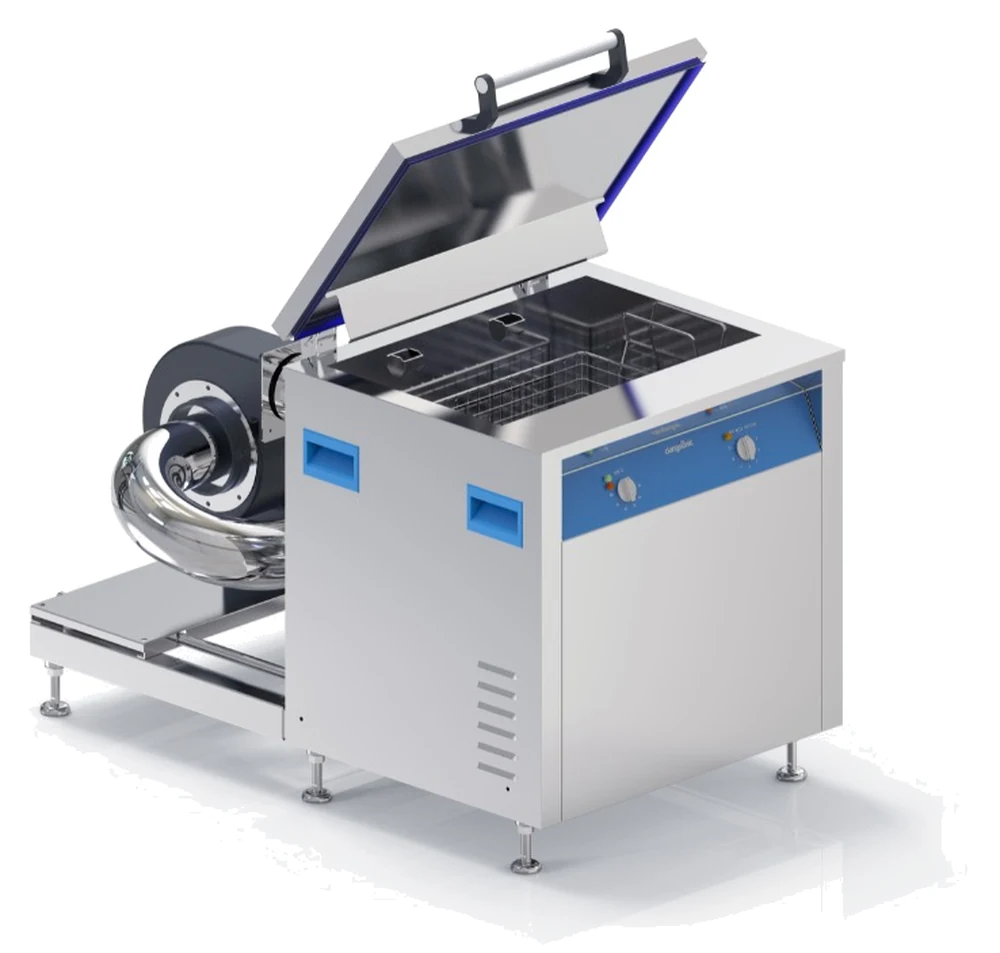
Ask about RP 835 →DryerRankine Parts DryersEvery option on this page starts with a dry part. Hot air through the basket: dry inside the bores and threads in 15 to 40 minutes.
Open the Rankine page → SelectorFind my chemicalPick the part and the soil and get the product and the settings.
Open the selector →By what happens next
- Straight to assembly, into oil or grease: hot rinse, hot dry. A trace of inhibitor film does no harm; a light oil is acceptable if that is what the assembly uses anyway.
- Machining or inspection in the next day or two, in the workshop: Anti-Rust dip, hot dry, racked off the floor.
- Paint or powder coat: the paint shop decides what it will accept. Bare, dry steel straight to the booth is the cleanest path; a wait before paint needs a paintable film agreed with the painter. Oil on the surface before paint causes fisheyes and adhesion failures.
- Plating or coating: film-free. Dry, bagged, and a short wait. Any oil or inhibitor film becomes a plating defect.
- Hydraulic, fuel, pneumatic, oxygen service, clean or medical lines: film-free. Dry hot, bag in VCI while still clean, seal, label. Never a light oil spray.
- Shipping, or storage over weeks or months: dry, cool, VCI bag or paper, desiccant, sealed, and kept off the floor at the far end.
- Outdoor or coastal storage: no light oil, no plain bag. VCI and a dry sealed container, or do not store there.
Why so many workshops get it wrong
The two commonest habits are the two that fail most often. The first is the aerosol can, because it is on the shelf and it has always been used: it is right for a shaft going into a gearbox and wrong for the bracket going to paint next to it. The second is the plastic bag, because a bagged part looks protected: it is right for a dry, cool part and wrong for the warm, wet one that just came out of the tank. Both habits treat every part the same. Protection should follow the part's next step, and the people at that next step are the ones to ask what surface they want.
Questions we are asked
Can I just use WD-40 after ultrasonic cleaning?
On a part that is going to be oiled, greased or run in oil anyway, yes, as a short-term measure. On a part going to paint, plating or a clean system, no: the oil film contaminates the next step. And a sprayed part that comes back to the tank carries its oil into the bath.
How long does Anti-Rust protect for?
It is in-process protection for ferrous parts: hours to days between operations in a workshop. For longer storage or a part going to paint, step up to a paintable film or a displacing spray, quoted on request, or a VCI bag.
Can I paint over Anti-Rust?
The data sheet does not state paint-over. Confirm with the paint shop, or use a paintable film matched to the paint system. The paint-ready dip is Brulin RP 835: paintable without further cleaning, on the maker's statement, for a wait of days rather than weeks.
Do I rinse the inhibitor off?
No. The film is the protection. Rinse the part before the dip, not after.
Is a sealed bag enough?
Only if the part went in dry and at room temperature, and only for a short time. For days or longer, use a VCI bag and a desiccant.
Can I dip parts in antifreeze?
People do, because the coolant is on the shelf and it carries a corrosion inhibitor. It is the wrong tool. The inhibitors are made for a closed cooling system, the glycol holds water so the part never properly dries, the residue has to come off before paint or plating, and the spent dip does not go to the drain. A dewatering dip in the rinse tank does the same job properly, and the part goes to the dryer protected.
What about stainless steel?
Stainless carries its own protection once it is clean and passive. Free iron left on it from tooling or from carbon-steel parts in the same load is what rusts, and citric acid passivation takes it off.
Related: Why does my part flash-rust after ultrasonic cleaning? · Can an ultrasonic cleaner remove rust? · Anti-Rust · Citric acid passivation · Which chemical for which metal and soil · Rankine Parts Dryers · CoreKleen HX · Descale · MetalTek 100
Tell us what the part is, how long it waits and what it does next.
We match the protection to the step and prove it on your parts before you buy a drum.