Flash rust is the thin orange bloom that shows on bare steel or cast iron within minutes to an hour of coming out of an industrial ultrasonic cleaning tank. It is not a cleaning fault and it is not the chemistry attacking the part. Cleaning takes off the oil film that was keeping air and water away from the metal, and a deruster takes the oxide off as well, so what comes out of the tank is chemically active iron, warm and wet, in air. Stop it by closing the gap between the tank and dry: rinse clean and hot, dip in a water-displacing inhibitor, dry hot, and store dry. After an acid descaler, neutralise before the rinse. Which protection to use, and for how long, is the next question: which corrosion inhibitor after cleaning.
What flash rust is
Iron wants to be iron oxide. Left to itself in air, a steel part grows a thin, slow oxide that most people never notice. Oil, grease, paint, scale and even old rust slow that reaction down by keeping water and oxygen away from the metal.
Flash rust is the same reaction with nothing in its way. It needs three things, and a part straight out of a cleaning tank has all three: bare active iron, water on the surface, and air. Add heat and it runs faster. Add salt and it runs faster again.
The bloom is light, loose and orange. It wipes off and it has not pitted the part, but it is rust, and on a machined face, in a bore, or on a part that is about to be painted, plated or assembled, it is a reject.
Why it happens more after ultrasonic cleaning
A hand wipe or a solvent bath leaves a little oil behind, and that oil goes on protecting the steel. An ultrasonic tank does not. Cavitation scrubs the surface down to the metal, including inside bores, under bolt heads and down threads, and a heated degreaser or deruster takes the last of the film off. The part comes out cleaner than it has been since it was machined, and that is exactly why it rusts: there is nothing left on it.
The tank is also hot. A part lifted from a working bath is warm, it is wet, and warm wet steel rusts faster than cold wet steel. Then it sits in a basket in the open air while the rest of the load drains.
What makes it worse
- Time spent wet. A part left in the basket after the rinse, or on a bench to drip dry, is rusting the whole time it sits there.
- Heat. Warm wet steel rusts faster than cold wet steel. The heat only helps once the surface is dry.
- Rinse water. Tap water carries dissolved salts. They stay on the surface when the water dries and keep the corrosion going. Demineralised or reverse-osmosis rinse water leaves nothing behind.
- Acid left in the part. After an acid descaler, acid held in threads, bores and pits keeps working on the metal after the part is out.
- A tired rinse. A rinse tank that has been carrying chemistry out of the wash for a week is a weak bath of its own, and it leaves that residue on the part.
- Humid air and cold parts. A part that is cooler than the air around it sweats, the same way a cold drink does. A cold steel part brought into a warm, humid shed is wet before anyone touches it.
- Hands. A bare hand leaves salt on the steel. The fingerprint shows up as a rust print by the next day.
How to stop it
- Close the gap. Rinse, protect and dry in one movement. Keep parts wet between stages and never leave bare steel sitting wet in the basket while the rest of the shift goes by.
- Rinse clean and hot. A hot rinse in clean water flashes dry on its own. Use demineralised or reverse-osmosis water where you can. After MetalTek 100 there is nothing to neutralise: it is a caustic bath, water takes it off, so rinse hot and thoroughly. After an acid descaler, rinse, neutralise in an alkaline dip, and rinse again, so no acid is carried out in the threads.
- Dip in a water-displacing inhibitor. Anti-Rust at 2–5% in the rinse tank, ambient to 50 °C, one to two minutes, and do not rinse it off: the dewatering film displaces the water and leaves the inhibiting film on the steel. Ferrous metals only. Keep it off aluminium, zinc, galvanised, magnesium, tin, solder, copper and brass.
- Dry hot. Hot-air dry so the part is dry inside the bores and threads, not just on the faces. A part that is dry and cool when it is put away does not sweat.
- Store dry. Keep parts off the floor, out of the wash area and away from the tank. Do not wrap a warm part in plastic; it sweats inside the bag.
- Handle with gloves. Clean nitrile or cotton gloves between the tank and the next operation.
Does a hot air dryer help?
Yes, with the part of the problem that drying can fix. Flash rust runs while the steel is wet, so the minutes between the rinse and dry are the window. A hot rinse flashes the faces dry, but the water that matters sits in the bores, threads, blind holes and under bolt heads, where the tank reached bare metal and where the bloom starts. Still air in a warm shed does not clear it.
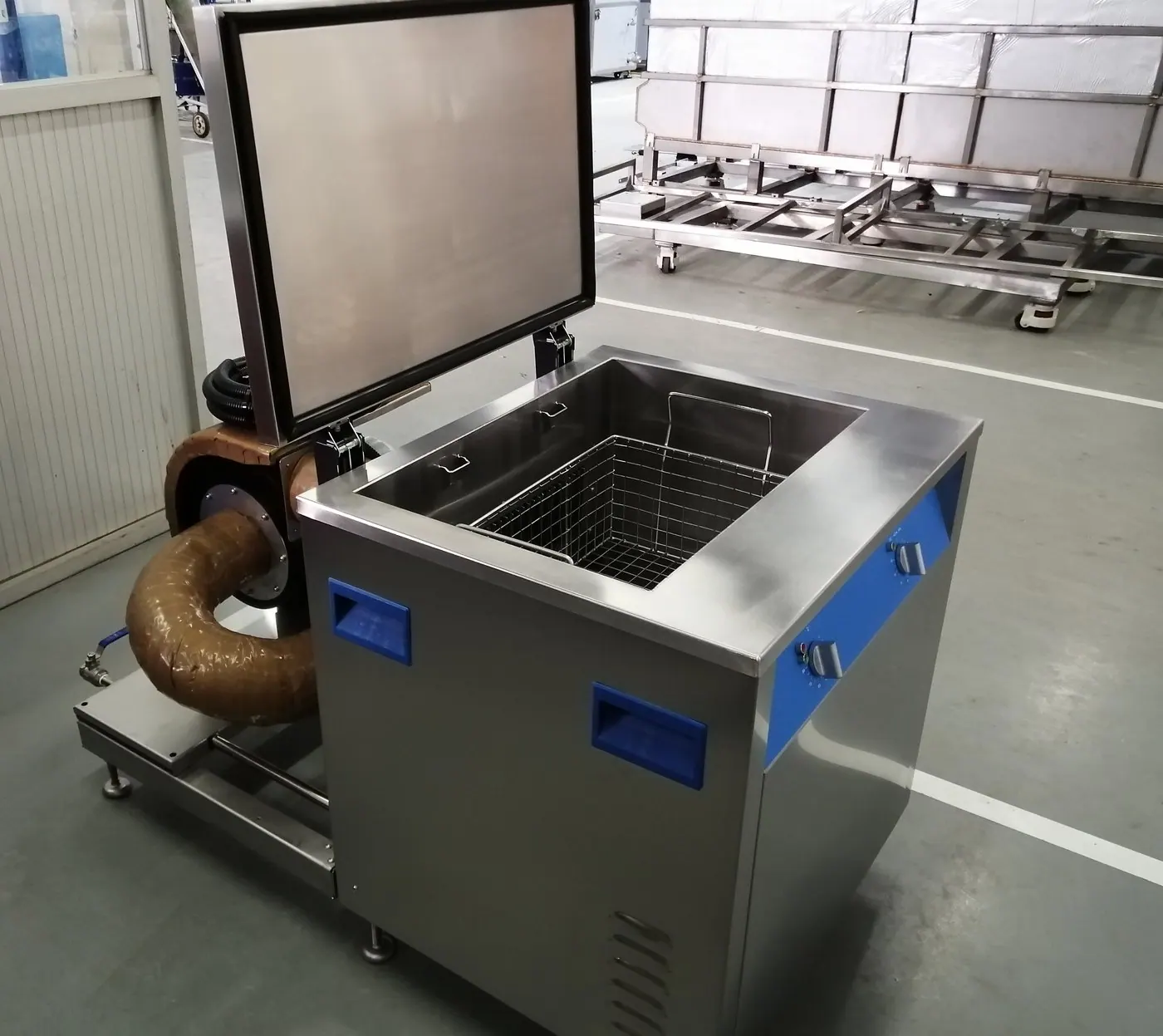
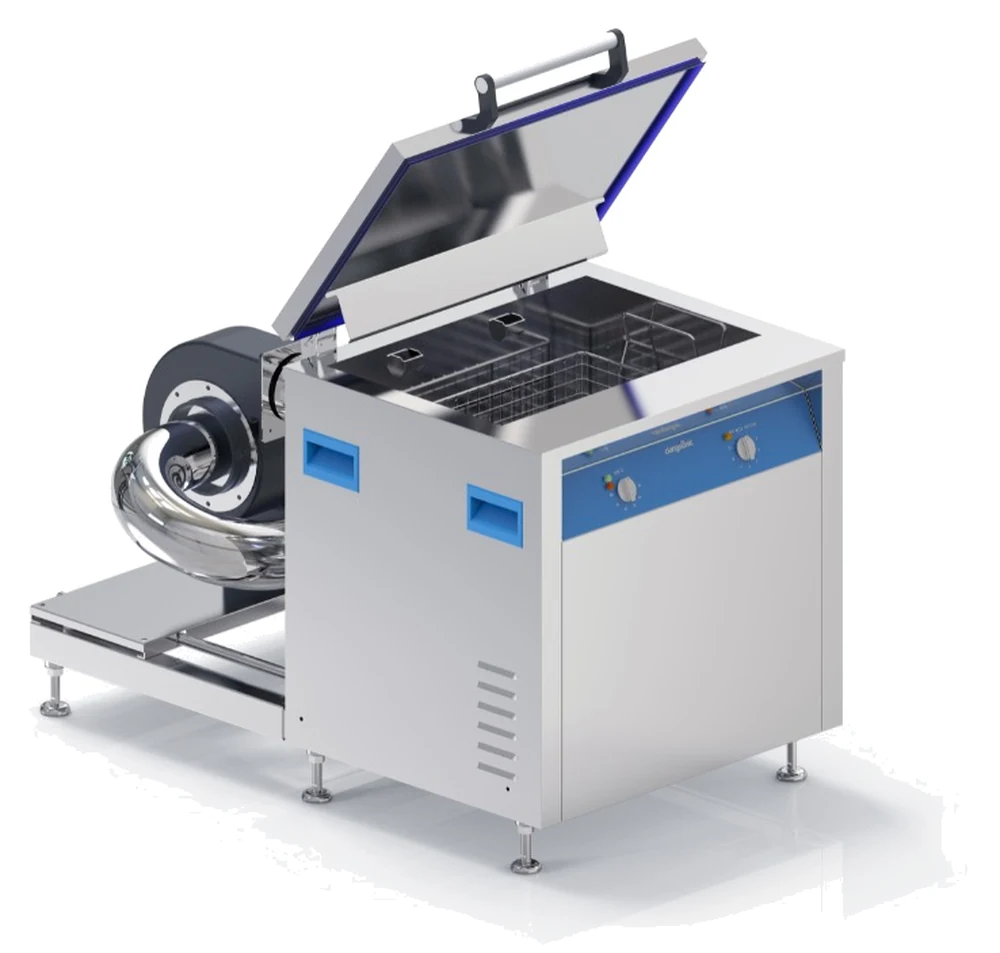
A Rankine parts dryer is a heated forced-air tank built to stand beside the cleaning tank at the same bench height, so the basket comes out of the rinse and goes straight in. A blower moves hot air over and through the load, which is what dries recesses, threads and the middle of a packed basket rather than only the outside faces. Most work dries between 60 and 90 °C, and a batch takes 15 to 40 minutes on the panel timer. The part comes out dry inside and out, which is the state the rest of this page asks for: dry before it is racked, dry before it is bagged, dry before it can sweat.
What the dryer does not do is protect the steel once it is dry. Bare steel in humid air still rusts, more slowly than wet steel but it rusts, and drying on its own buys hours, not days. So the dryer comes after the inhibitor dip, not instead of it: rinse, dip, dry. A part going to assembly the same day needs the rinse and the dryer. A part that waits needs the dip as well, and the dryer then does what the Anti-Rust data sheet asks for: lift out and let the inhibiting film dry.
Two limits. Let the part cool before it goes in a bag; a warm part sweats inside plastic however dry it went in. And deep blind holes, long galleries and tightly nested assemblies can hold water that hot air will not shift in a sensible cycle time; vacuum drying is the answer there.
If the line already has a drying stage, it is the same step built in: UltraKleen Pro carries wash, rinse and hot air dry as three stations, and UltraWash dries inside its sealed chamber.
The two that close the gap
 DryerRankine Parts Dryers
A heated forced-air tank beside the cleaning tank. The basket comes out of the rinse and goes straight in; dry inside the bores and threads in 15 to 40 minutes.
Open the Rankine page →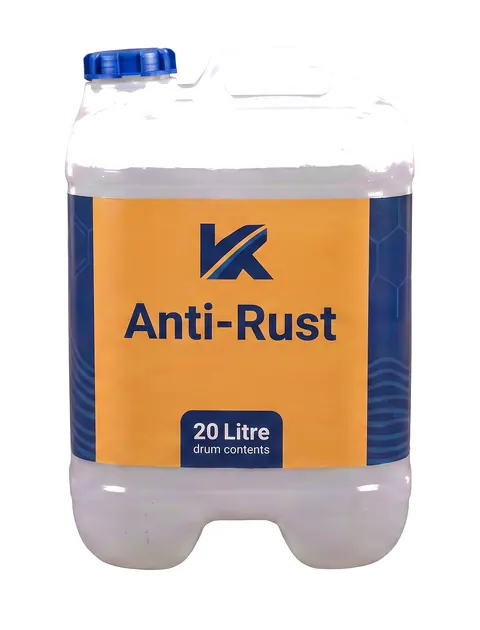 ChemicalAnti-Rust
Post-cleaning rust prevention: 2–5% in the rinse tank, one to two minutes, no rinse after. Ferrous parts, hours to days between operations.
Open the Anti-Rust page →What flash rust is not
It is not a sign that the chemistry is wrong. A degreaser that leaves steel bright and bare has done what it was bought to do. It is not pitting: the bloom sits on the surface and a second pass through the tank, or the inhibitor dip, takes it off. And it is not solved by a weaker bath or a cooler tank. It is solved after the tank, in the rinse, the protection and the drying.
When it matters, and when it does not
A part going straight back into a gearbox with oil on it does not care about a trace of bloom. A part going to paint, plating or inspection does, and so does a bore that has to seal, a thread that has to torque, and anything going into a hydraulic, fuel or pneumatic system where loose oxide becomes debris in the oil. Decide what the part is going to next, and protect it for that. The next article sets out the choices.
The products for steel and cast iron
 ChemicalMetalTek 100
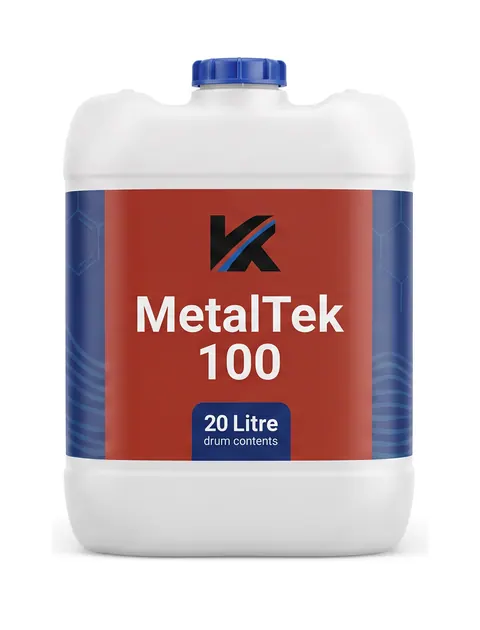
Grease, rust, scale, carbon and paint off ferrous metals in one bath. Ferrous only.
Open the MetalTek 100 page →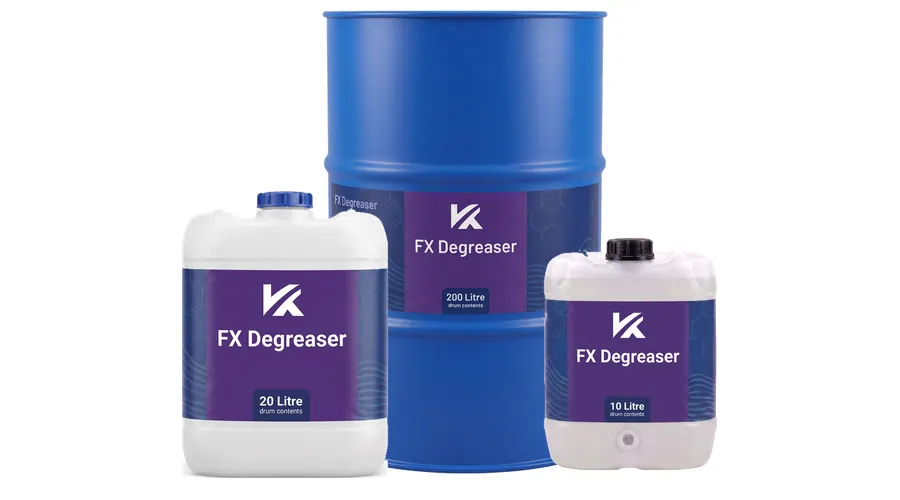 ChemicalFX Degreaser
The general workshop degreaser for steel and cast iron: light grease, oils and shop dirt.
Open the FX Degreaser page →ChemicalAnti-RustThe dip that protects the bare steel on the way out: 2–5% in the rinse tank, ferrous only.
Open the Anti-Rust page →DryerRankine Parts DryersHot air through the basket: dry inside the bores and threads in 15 to 40 minutes, before the bloom starts.
Open the Rankine page →Not sure which bath: Find my chemical picks the product from the part and the soil.
Questions we are asked
Is flash rust a sign the ultrasonic cleaner has damaged the part?
No. The bloom is a thin surface oxide on bare steel. It has not pitted the metal and it comes off in the inhibitor dip or on the next pass. Pitting is what a part shows after it has been left too long in an acid or caustic bath, which is a different problem with a different fix: shorter cycles.
How fast does flash rust start?
On bare, warm, wet steel it can start within the hour. In a humid shed, with tap-water rinse and no protection, you will see it by the time the next load comes out.
Does a hot rinse stop flash rust?
It helps. A hot rinse in clean water flashes dry, and a dry part rusts far more slowly than a wet one. On its own it buys hours, not days. For anything longer, dip in an inhibitor.
Does a hot air dryer stop flash rust?
It closes the wet window, which is where flash rust runs. The basket goes from the rinse into the dryer and comes out dry inside the bores and threads in 15 to 40 minutes, instead of air drying on the bench while the bloom starts. It does not protect the dry steel afterwards: for a part that waits, dip in the inhibitor first and let the dryer dry the film on, and let parts cool before they are bagged.
Why do parts rust in the bag?
Because they went into the bag warm or wet. The moisture condenses on the steel inside the sealed bag and has nowhere to go. Bag parts only when they are dry and at room temperature, and use a vapour corrosion inhibitor bag for anything stored more than a few days.
Does the chemistry choice make a difference?
Yes. MetalTek 100 takes the rust off in a caustic bath: rinse it hot and thoroughly, there is no acid to neutralise, then protect it. An acid descaler leaves the most active surface and has to be neutralised in an alkaline dip, rinsed and protected straight away.
What about stainless steel?
Stainless does not flash rust the way carbon steel does, but free iron left on its surface from tooling or from the load will. That is what citric acid passivation is for.
Related: Can an ultrasonic cleaner remove rust? · Which corrosion inhibitor after cleaning? · Anti-Rust · Citric acid passivation · How to load an ultrasonic cleaner basket · Rankine Parts Dryers · CoreKleen HX · Descale · Find my chemical
Send us a part that keeps rusting.
Tell us what it is, what it is cleaned in and what happens to it next. We run it and send back the settings, the protection and the result.