A melt filter disc is a consumable priced like a component. Extrusion and polymer recycling lines — Erema, Ettlinger, MAS, Gneuß, Fimic among them — run discs until pressure drop ends the interval, then buy new ones, because a hand tool will not reach inside a 70–150 µm laser drilling, solvent leaves residue on the hole wall, and a burnout oven takes the metallurgy with the polymer. Cavitation will reach in there. This page sets out the recovery cell that does it, how each disc is proved afterwards, and how to cost the thing against what you currently spend on media.
The contamination
Blocked filtration holes
Polymer forced into thousands of 70–150 µm laser drillings under melt pressure — the fouling that raises pressure drop and ends the disc’s service interval.
Carbonised melt
Polymer run hot and long degrades to carbon inside the pores. Burnout ovens attack it by damaging the disc metallurgy; solvents leave residue in the hole walls.
Pigment and additive packing
Masterbatch pigments and fillers pack the pore throats — a soil no brush reaches, in a geometry only cavitation enters at working strength.
The process
| Parameter | Value |
|---|---|
| Machine | Misonics UltraWash multi-stage, sized to disc stack |
| Chemistry | High-alkaline saponifying strip at elevated temperature |
| Cycle | Established per application |
| Verification | Bubble-point (pore integrity) + flow-rate vs new-disc baseline, logged per disc serial |
| Recovery rate | Established on your discs — measured against each disc’s own new-disc baseline. It turns on the polymer, the dwell, and how far past the pressure limit the disc was run. |
What it is worth
There is no single figure we can honestly print here, because the saving is arithmetic and the arithmetic is yours — what you pay for a disc, how many you hold, and how often the line takes one out of service. What we can set out is exactly what belongs in the sum.
We build the model on your figures and show the working. If it does not pay we will say so — a recovery cell is not worth buying for a line that changes four discs a year.
Hardware and chemistry
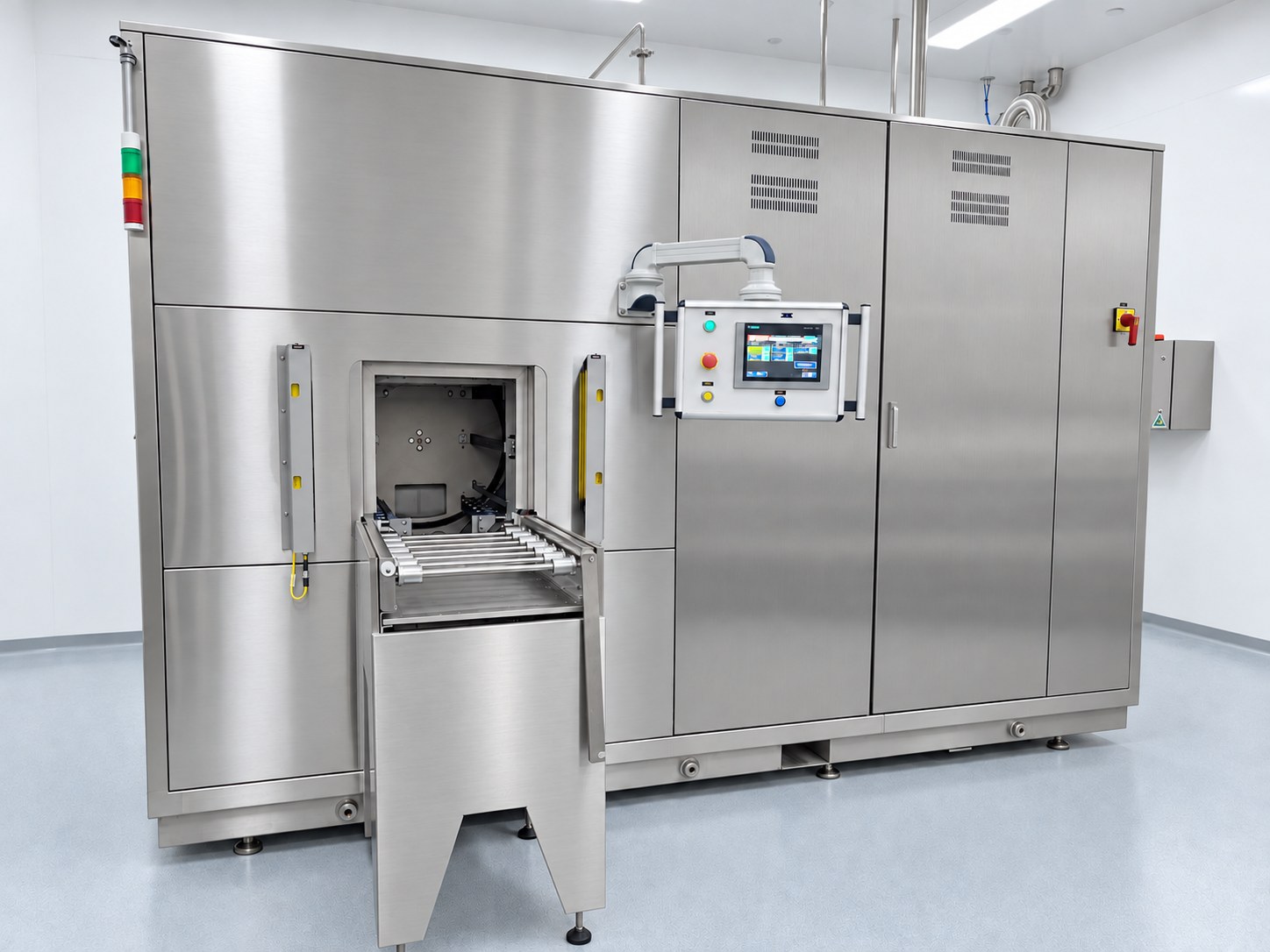
Misonics UltraWash
Heated soak, ultrasonic extraction, rinse and dry in one enclosed sequence — the complete recovery cell in one machine footprint.
Ask about recovery cell sizing →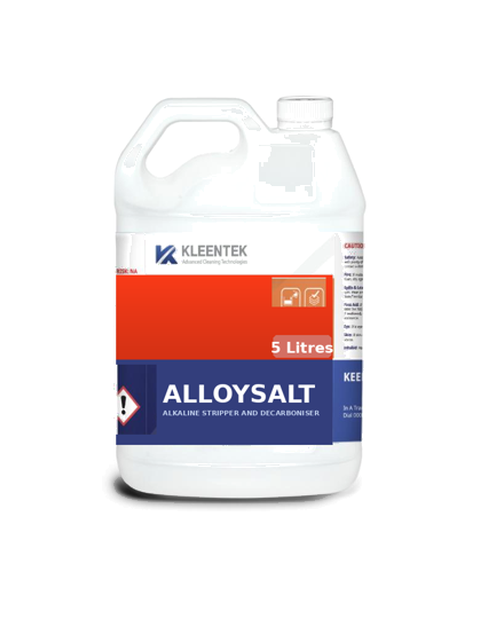
Strip-grade chemistry
High-alkaline saponifying formulation for polymer and carbonised melt.
Browse the chemistry range →