Machining cell in a manufacturing plant
Knowledge / Specification checklist
Quality · Procurement · Engineering

Ultrasonic cleaner specification checklist

Quotes for an industrial ultrasonic cleaner can only be compared when every supplier has answered the same questions. This checklist sets out what to write down first.

Quality and procurement teams call the finished document a URS (user requirement specification). Most of it can be filled in from the workshop floor in an hour.
The checklist

Work through it in this order

Each section feeds the next. The part and the soil set the chemistry. The cleanliness test sets the process. Throughput and the site set the machine.

Section 1

The parts

The largest part sets the tank. The smallest feature sets the frequency and how the part sits in the basket.

  • The largest part. Length, width, height and weight.
  • The smallest features. Blind holes, galleries, threads and internal passages.
  • Every material. Include coatings, plating and any bonded or pressed-in parts.
  • What must not get wet or hot. Bearings, seals, electronics, adhesives.
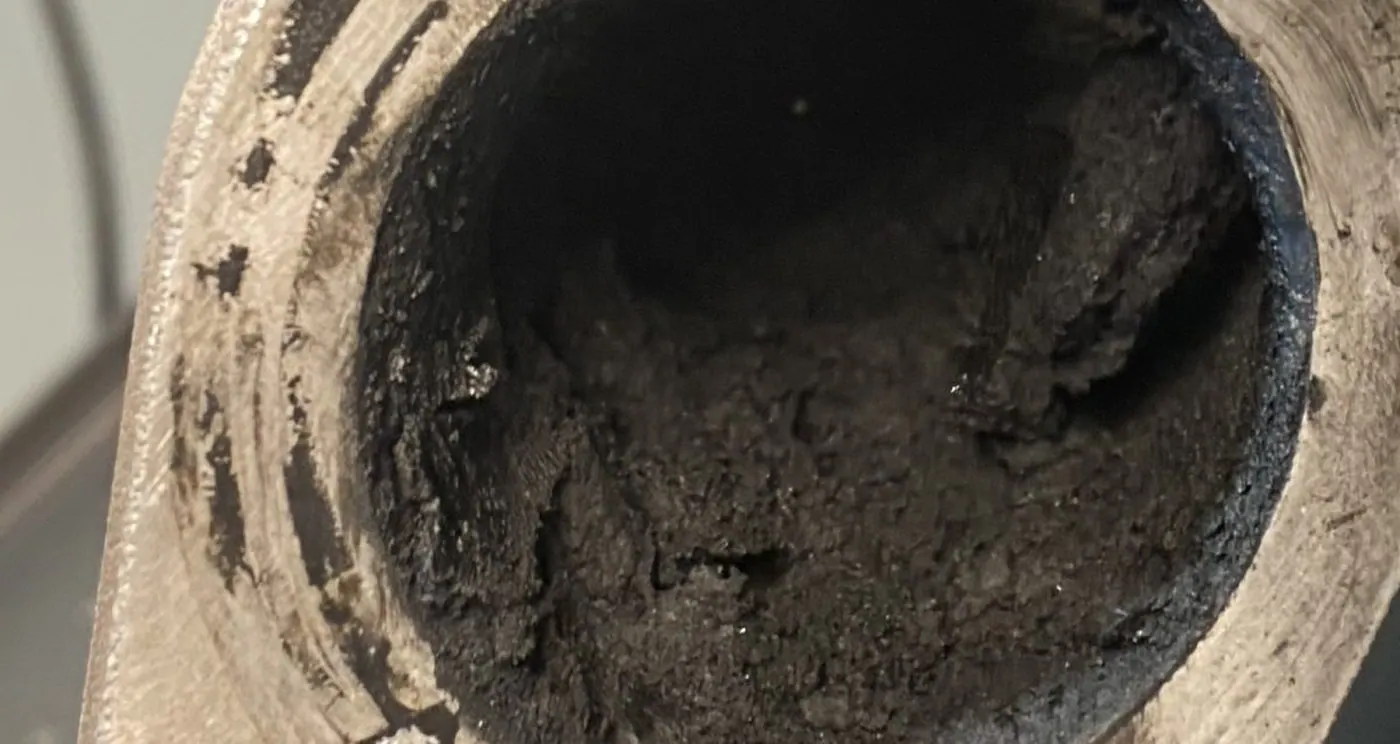
Bore of a part with deposit packed into it
Blind holes and galleries hold soil that a spray never reaches. Read cleaning blind holes and galleries.
Section 2

The soil

The soil and the metal together choose the chemistry. Name both and most applications are settled.

Browse the chemistry range →

  • What it is. Oil and grease, baked carbon, rust and scale, paint, flux, polishing compound or process residue.
  • Where it comes from. The process step before cleaning.
  • How old it is. And whether it has been through heat.
  • The safety data sheet. If the soil is a process fluid, send its SDS.
Section 3

How clean is clean

Name the measurement. A part is clean when it passes a test that someone has written down.

If no measure exists yet, write down what the next process needs. Coating, welding, assembly or inspection each sets its own standard.

How cleanliness is measured →

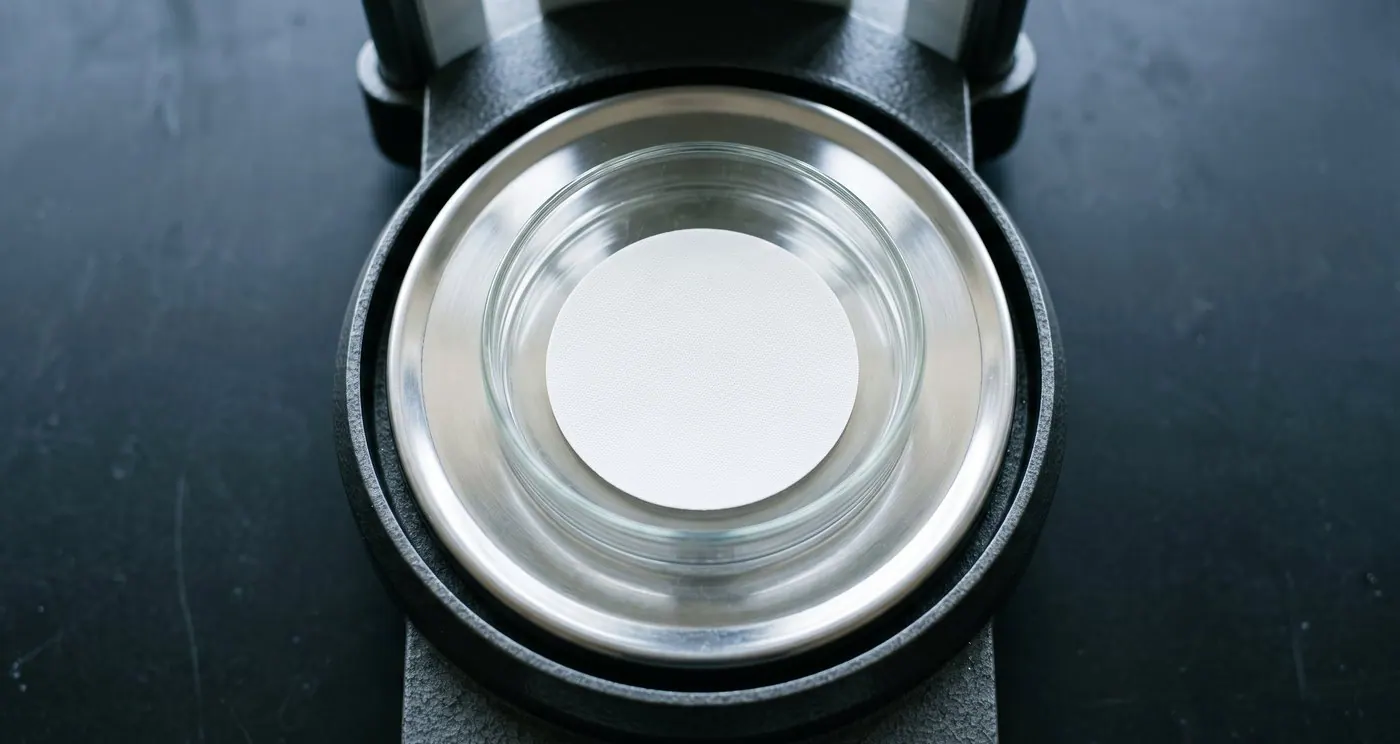
A white gravimetric filter membrane on the pan of a laboratory balance
Gravimetric residue. The membrane is weighed before and after the part's rinse water passes through it.
Visual standard

With a reference photo.

Water-break test

Where coating or bonding follows.

Gravimetric residue

Milligrams per part.

Particle code

To ISO 16232 or VDA 19.

Ionic limit

For electronics.

Part performance

Flow, pressure drop, a gauge check.

Choose one and write the limit beside it. How to prove a part is clean sets out each test.

Section 4

Throughput

Tank size follows from the largest part and the batch. Cycle time and the number of stages follow from the parts per shift.

Ultrasonic cleaner sizes →

  • Volume. Parts per shift and per day, and the peak.
  • Batch size. And whether parts arrive loose, racked or in baskets.
  • Handling. Manual loading, a lift platform or automated transfer.
  • Basket weight. The heaviest full load an operator or a hoist must lift.
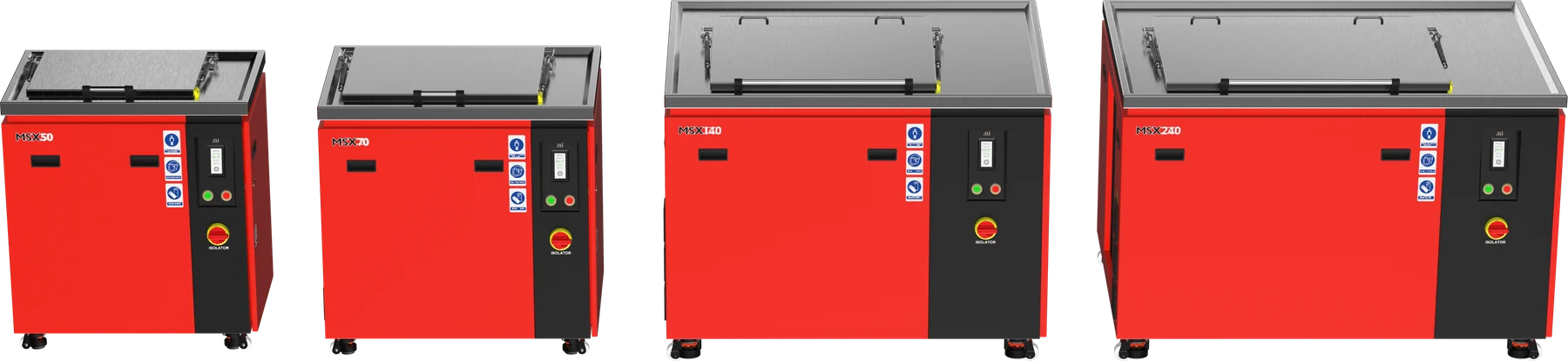
Misonics MSX floor-standing ultrasonic cleaners side by side
MSX floor machines from 50 to 240 L. Larger parts go in the EvoSonic range.
Section 5

The process around the tank

A single tank cleans. Rinsing, rust protection and drying are separate stages, and the checklist should say which ones the part needs.

Multi-stage cleaning explained →

  • Before cleaning. Pre-wash, disassembly, masking.
  • After cleaning. Rinse, rust protection, drying, packing.
  • Dry time. How soon the part is needed dry, and how dry.
  • Rinse water. Tap water, or deionised water where spotting matters.
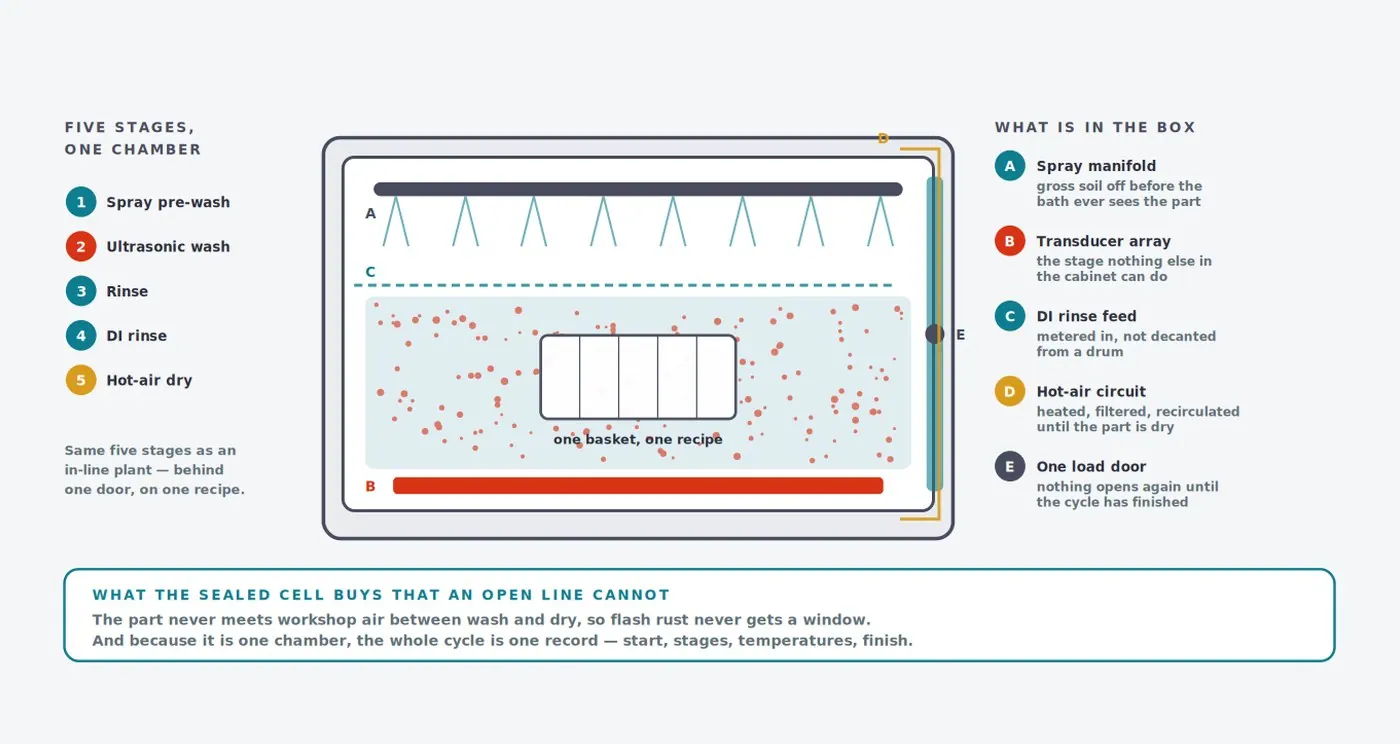
Diagram of a sealed cleaning cell with spray pre-wash, ultrasonic wash, rinse, DI rinse and hot-air dry
Spray pre-wash, ultrasonic wash, rinse, DI rinse and hot-air dry in one chamber.
Section 6

Site services

Site services decide what can be installed and where. Check them before the quote.

Bunding and work areas →

  • Power. Single-phase 240 V or three-phase 415 V, and the amps available at the point of use.
  • Water. Supply, pressure and quality.
  • Drainage. Floor drains and trade waste arrangements for spent baths.
  • Floor. Space, access route to the room and floor loading.
  • Containment. Bunding and extraction, where the site requires them.
Section 7

Records and approvals

Audited work needs the cycle on record. Say who reads the record and what it must show.

Quality and compliance →

  • Cycle logs. Whether cycles must be logged, and who reads the log. A customer audit, a quality system or a survey.
  • Locked recipes. Whether recipes must be locked to a part number.
  • Chemistry approvals. Approvals the work calls for, such as Boeing BAC 5749.
  • Acceptance. Whether you will witness a factory acceptance test before despatch.
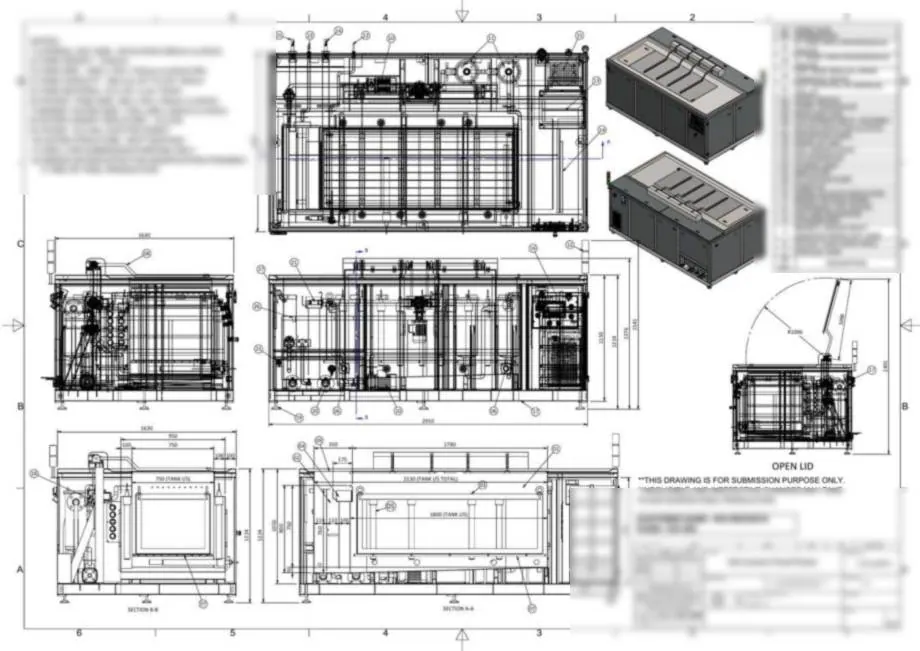
General arrangement drawing from a factory acceptance test report, client details blurred
General arrangement drawing from a factory acceptance test report. Engineered systems are tested against their specification before they leave.
Section 8

What to send with it

Send as much as you have. A part list and a few photos are enough to start.

Photos

The dirtiest part, close up, and the part in its rack or basket.

Drawing or dimensions

A drawing, or the main dimensions and weight.

Safety data sheet

For the soil, and for any chemistry you run now.

A sample part

If the soil is unusual, a sample helps settle the chemistry.

Confidential drawings can go under our mutual NDA (non-disclosure agreement). It is signed online before you send anything.

What happens next

You send the checklist

Through the enquiry page, or as much of it as you have.

We reply

A machine, a chemistry and any questions still open.

Quote and acceptance

We quote against your checklist. Engineered systems are tested against it before despatch.

FAQ

Questions buyers ask

Do we need a cleaning trial before buying?
Usually not. Most applications match one we have already documented, and the checklist with photos settles it. Where the soil or the cleanliness limit is unusual, we will say so.
Who should fill the checklist in?
The person who runs the parts, with the person who signs off their quality. The first knows the soil and the numbers. The second knows the measure.
What if we do not know the soil?
Send photos and tell us the process the part comes from. That is normally enough to name it.
What size tank do we need?
The largest part plus room to move in the basket, and the batch you run each cycle. Ultrasonic cleaner sizes shows how to work it out.
Can we send drawings in confidence?
Yes. Sign the mutual NDA online first, then send the drawings with the checklist.
Read next

Related pages

Send us your checklist

Send the checklist, or as much of it as you have. Technical sales will come back with a machine, a chemistry and the questions still open.

Send an enquiryCall 1300 647 664