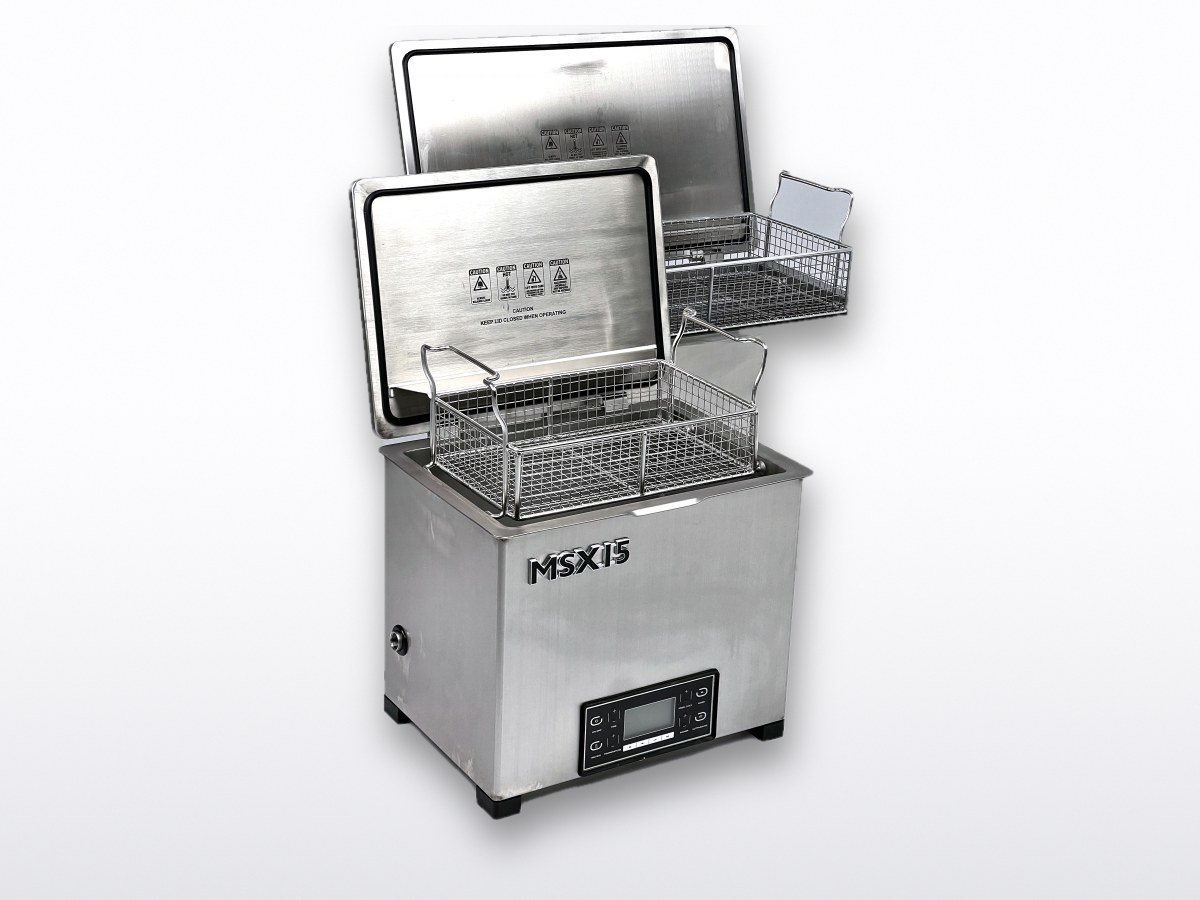
Stale fuel leaves varnish in every jet, emulsion tube and drilling. A heated ultrasonic bath lifts it from inside the passages, where spray cleaner and wire do not reach.
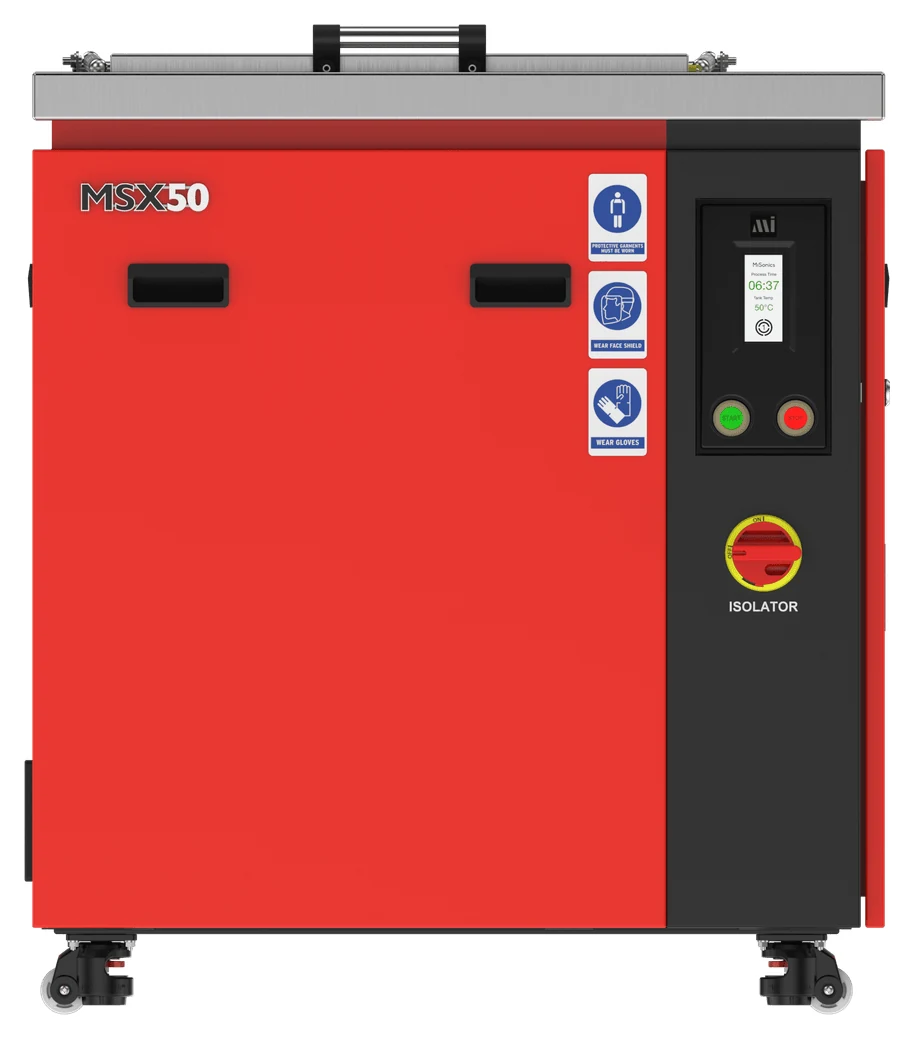
Benchtop MSX machines from a 240 V socket, with a near-neutral solution that is safe on aluminium bodies and brass jets.
A carburettor is a casting full of fine drillings. Varnish sets in the idle circuit, the emulsion tubes, the needle seat and the float bowl. Wire and spray clean the openings. They do not clean the length of a passage.
In the bath, cavitation works on every wetted surface at once. The solution fills each drilling, so the inside of a passage gets the same clean as the outside of the body.

Carburettor bodies are aluminium or zinc die-cast. Jets and emulsion tubes are brass. All three react to strong alkali, so the solution is chosen for the metal first. Settings are from each product's technical data sheet.

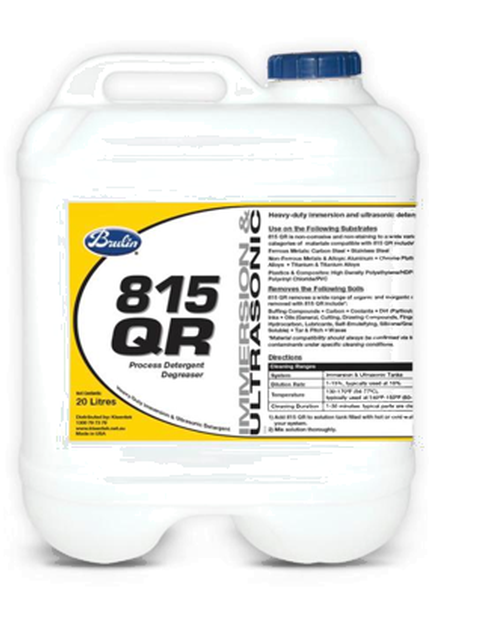
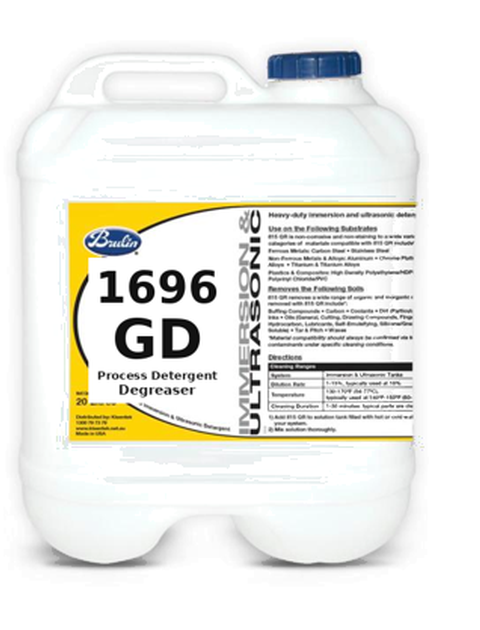
Near-neutral at about pH 8. Cleans fuel varnish off aluminium bodies and brass jets in one bath.
Runs low-foaming above 49 °C. Test zinc die-cast bodies on a scrap part first.
Product page →
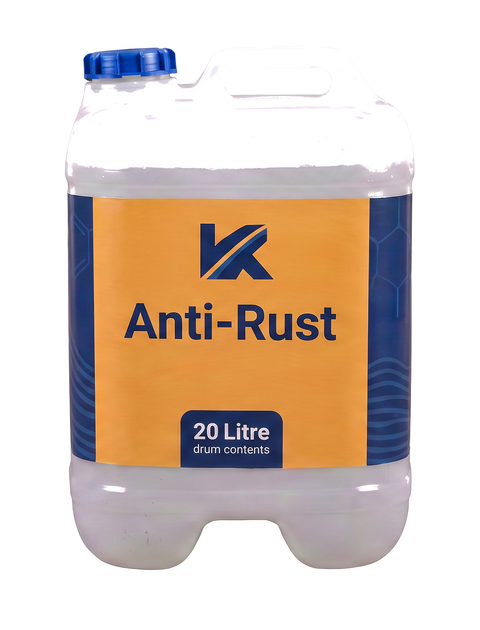
Steel screws, springs and linkage parts flash rust while warm and wet. A dip after the rinse stops it.
For the steel parts only.
Product page →MSX benchtop machines hold stored recipes. Save this one as Carburettors and every basket runs the same cycle. Run a second cycle for heavy varnish.
Good workshop chemistries, chosen for other parts. Each one attacks a metal found in a carburettor.

Our pick for general workshop parts in steel, cast iron and aluminium.
Not for copper, brass or bronze. Brass jets and zinc bodies stay out.
Product page → Not for carbs
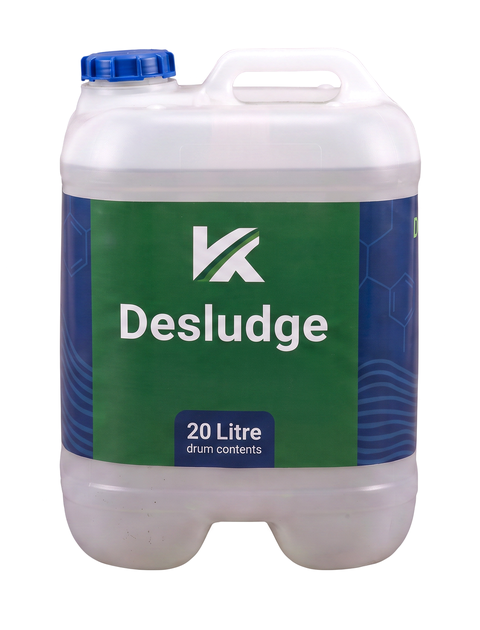
Carbon and sludge out of intake manifolds, EGR parts, fuel system parts and sumps.
Not for zinc, galvanised or magnesium. Copper and brass tarnish.
Product page → Not for carbs
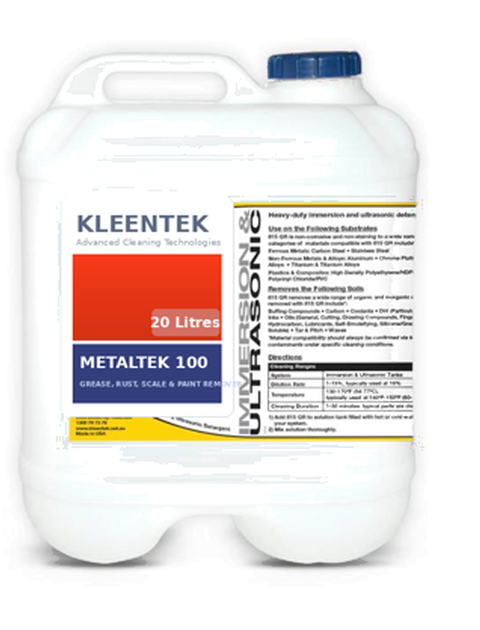
Baked carbon, paint and rust off cast iron heads, blocks and steel parts.
Ferrous parts only. Never aluminium, zinc or brass.
Product page →One carburettor fits the MSX 15. A bank of four goes in the MSX 30. Measure across the bank before you choose.


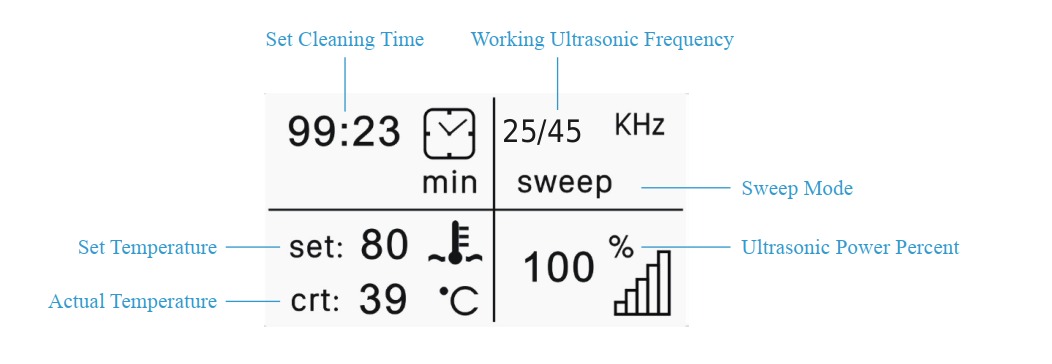
The MSX 30 has two transducer banks, one in the base and one on the side wall. 25 kHz gives a hard collapse for heavy soil on robust parts. 45 kHz gives a finer, denser field for small passages and soft metals.
For carburettors, run 45 kHz. Use 25 kHz for steel parts with heavy, baked soil. The dual-frequency guide explains the difference.

Floats, float needles, diaphragms, O-rings, gaskets, plastic parts and anything rubber. Remove the mixture screws and count the turns.
Body, float bowl, top cover, jets, emulsion tubes, needle seats, slides and the steel linkage parts.
Worn throttle shafts, corroded castings, damaged jets and perished diaphragms. A clean carburettor makes them easier to see.
Remove every rubber, plastic and float part. Keep each carburettor's parts together.
Bring the bath to temperature and degas it before the first load.
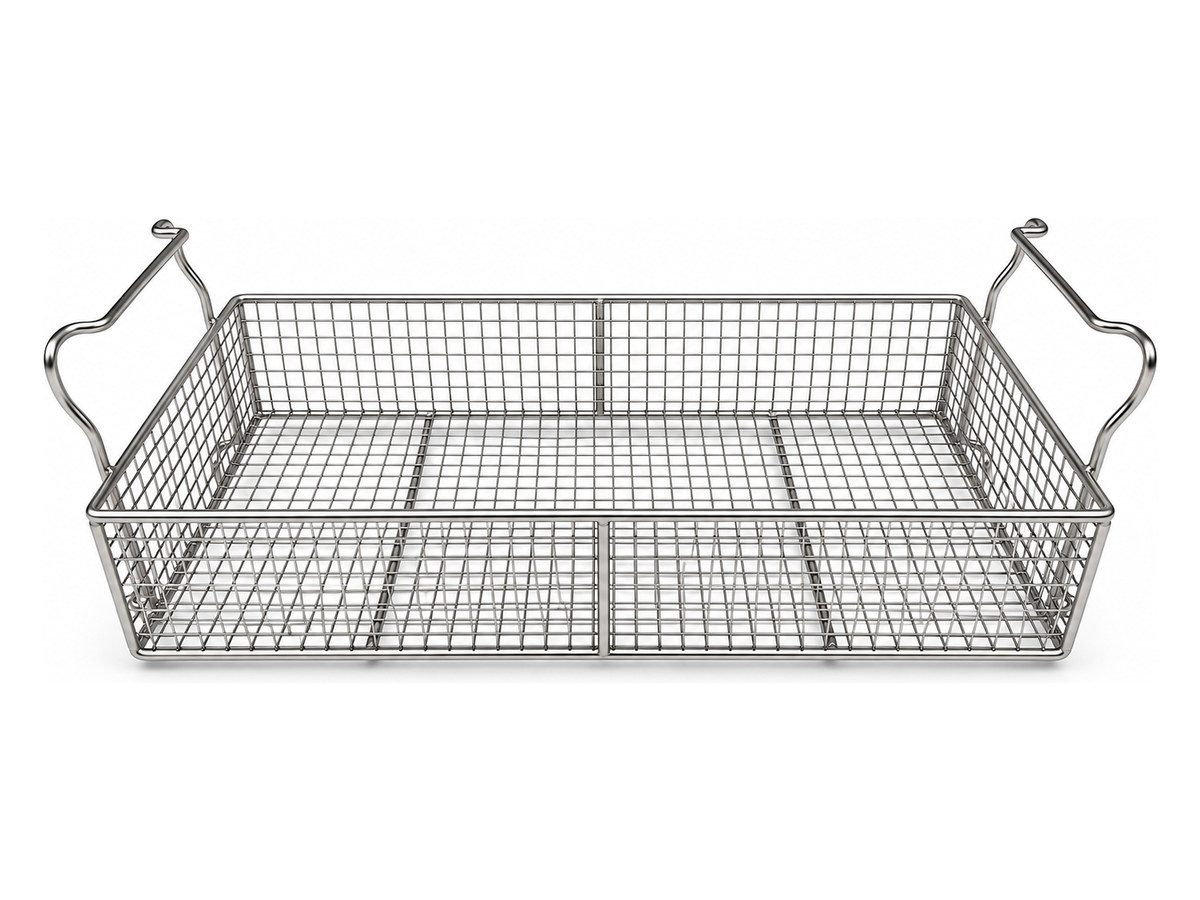
Jets and small parts in one compartment. Body with the passages open to the bath.
1 to 5 minutes in 1696 GD. Turn the body over once if a passage can trap air.
Clean water, then compressed air through every drilling and jet.
Anti-Rust on steel parts, dry, then reassemble with new seals.
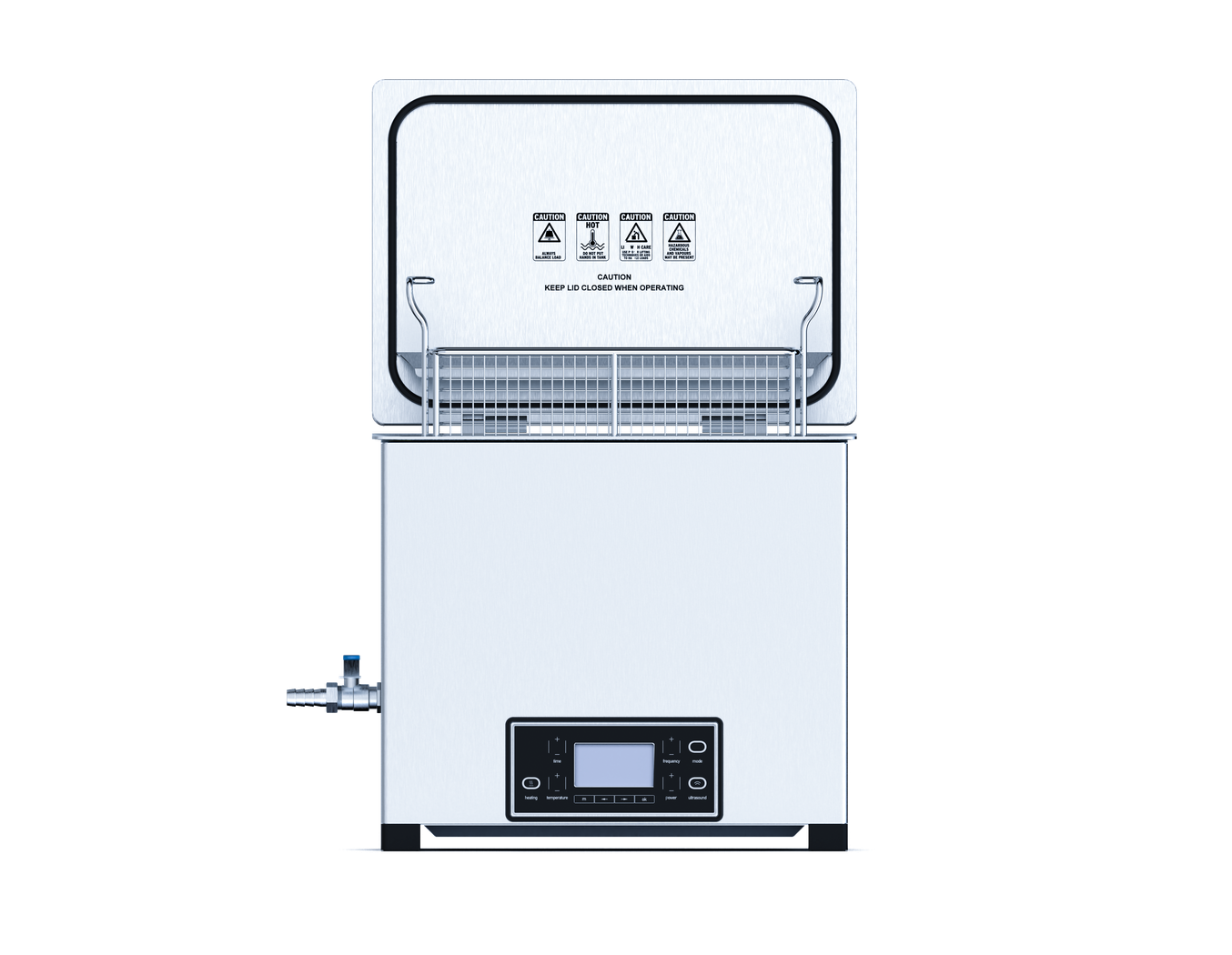
Ambient to 80 °C, with a safety thermostat.
One per part family. The operator picks it, loads and presses start.
Delivered power holds steady as the basket goes in.
A ½" drain fitted, so the bath changes without bailing.
240 V single-phase. Plugs into a standard workshop socket.
Condensate deflector fitted. Holds heat between baskets.
Heads, manifolds, injectors and driveline parts.
From carburettor banks to cylinder heads.
The near-neutral carburettor solution, with data sheets.
Why a fresh bath cleans poorly until the gas is out.
Why petrol and thinners stay out of the tank.
Every cleaning solution, by soil and metal.
Tell us the carburettors you work on and how many a week. We will confirm the machine and the solution.