Carbon, varnish and old oil come out of ports, galleries, jets and threads in one immersion. No blasting, no scraping, and machined faces keep their size.
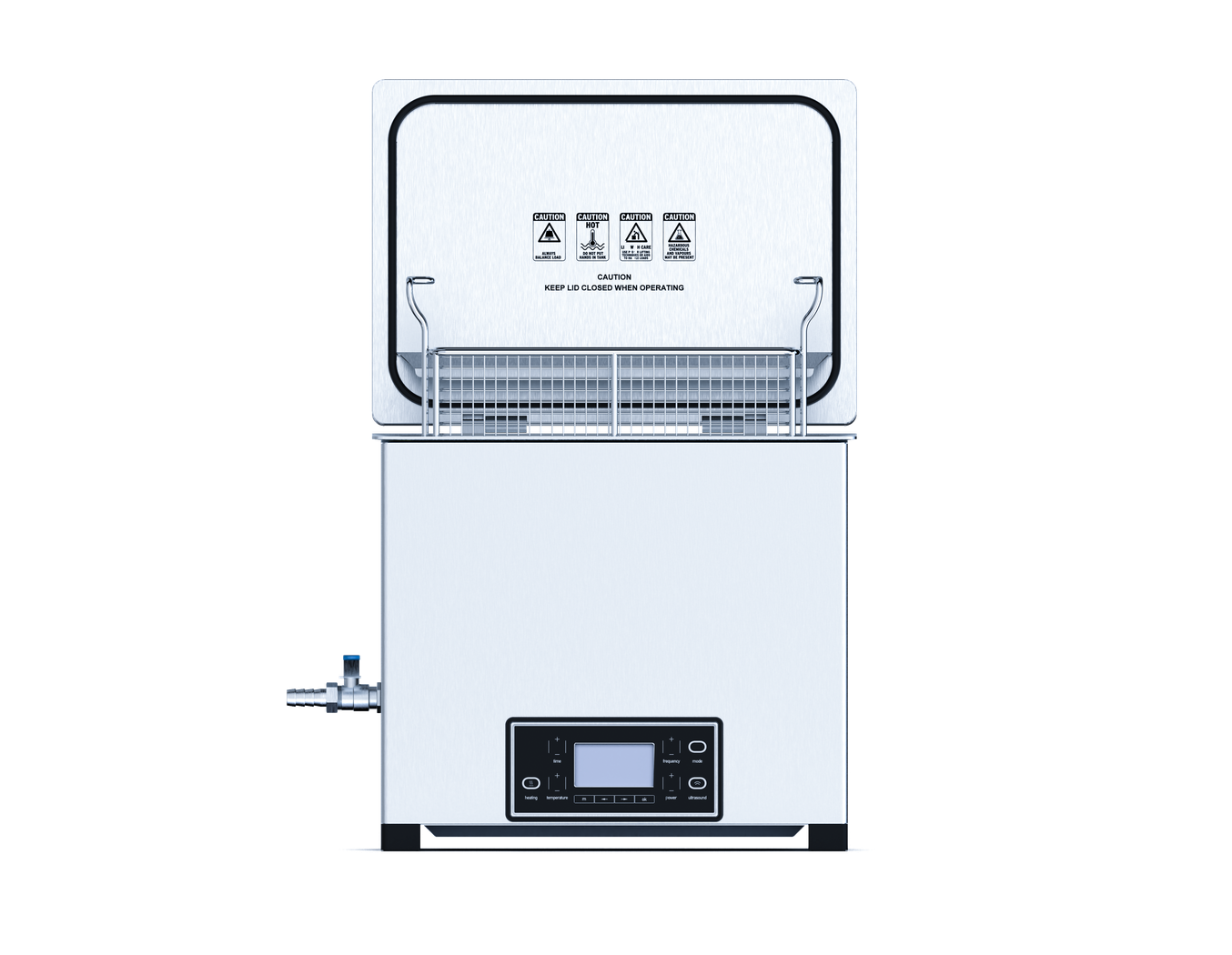
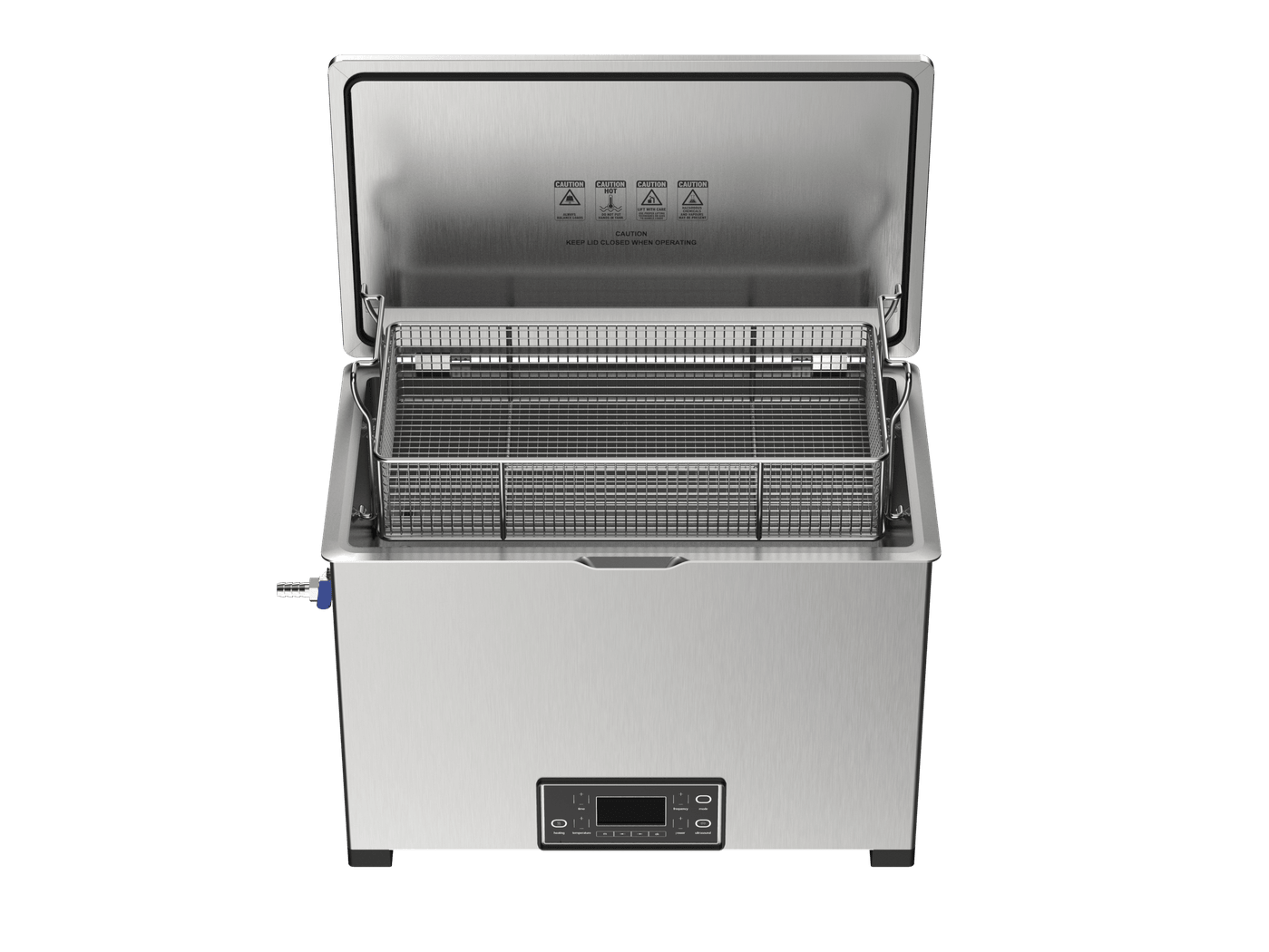
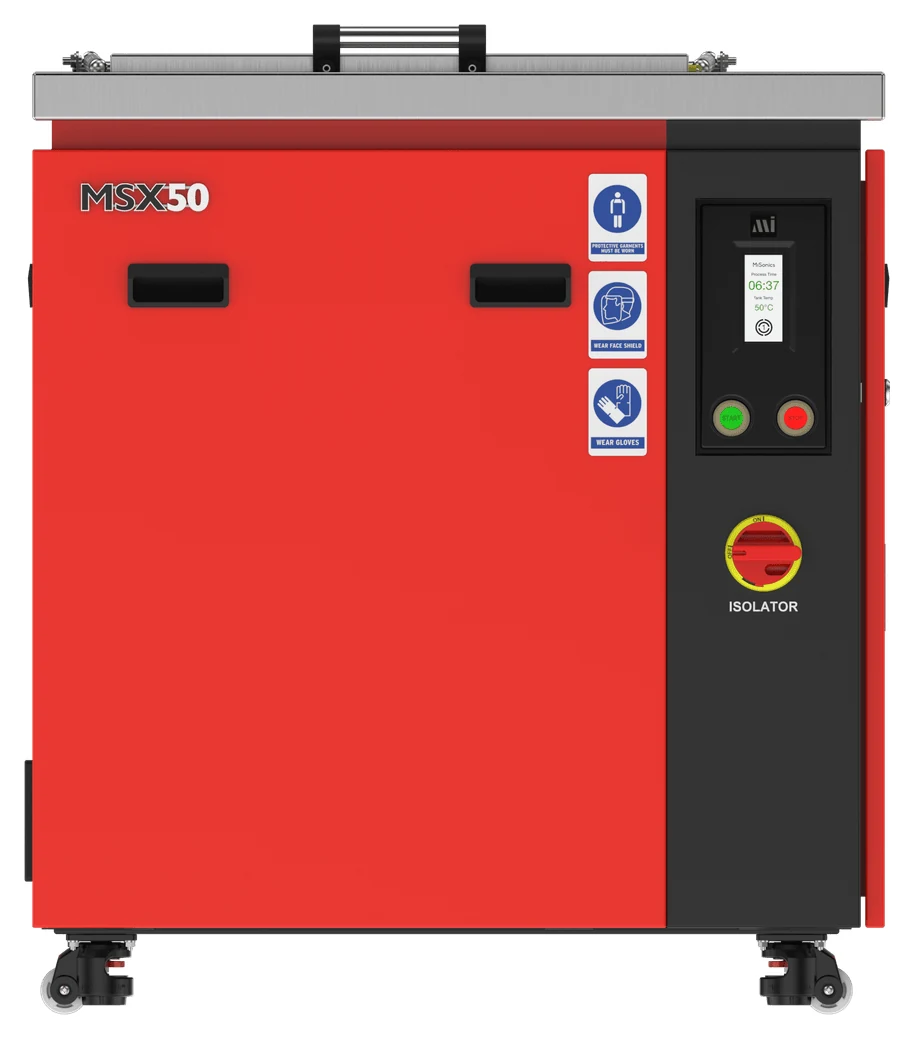
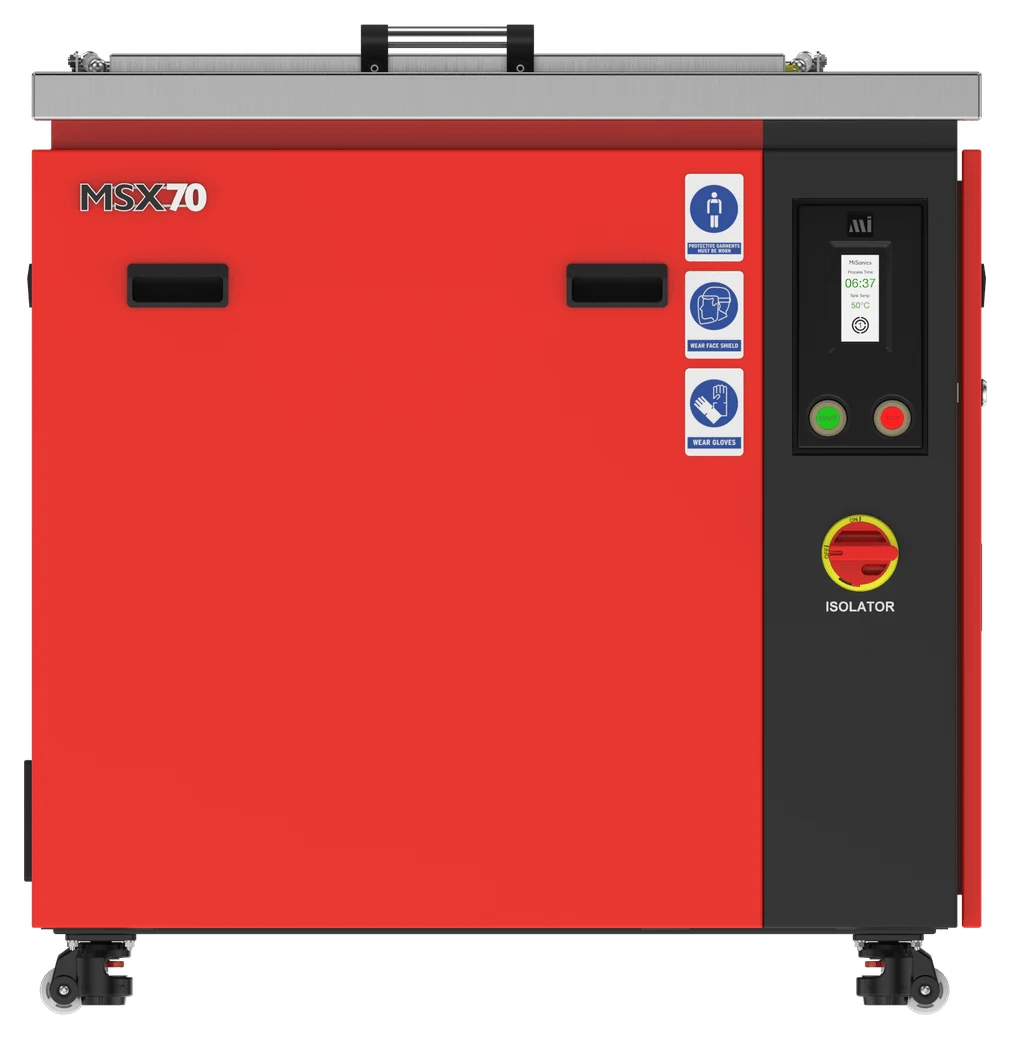
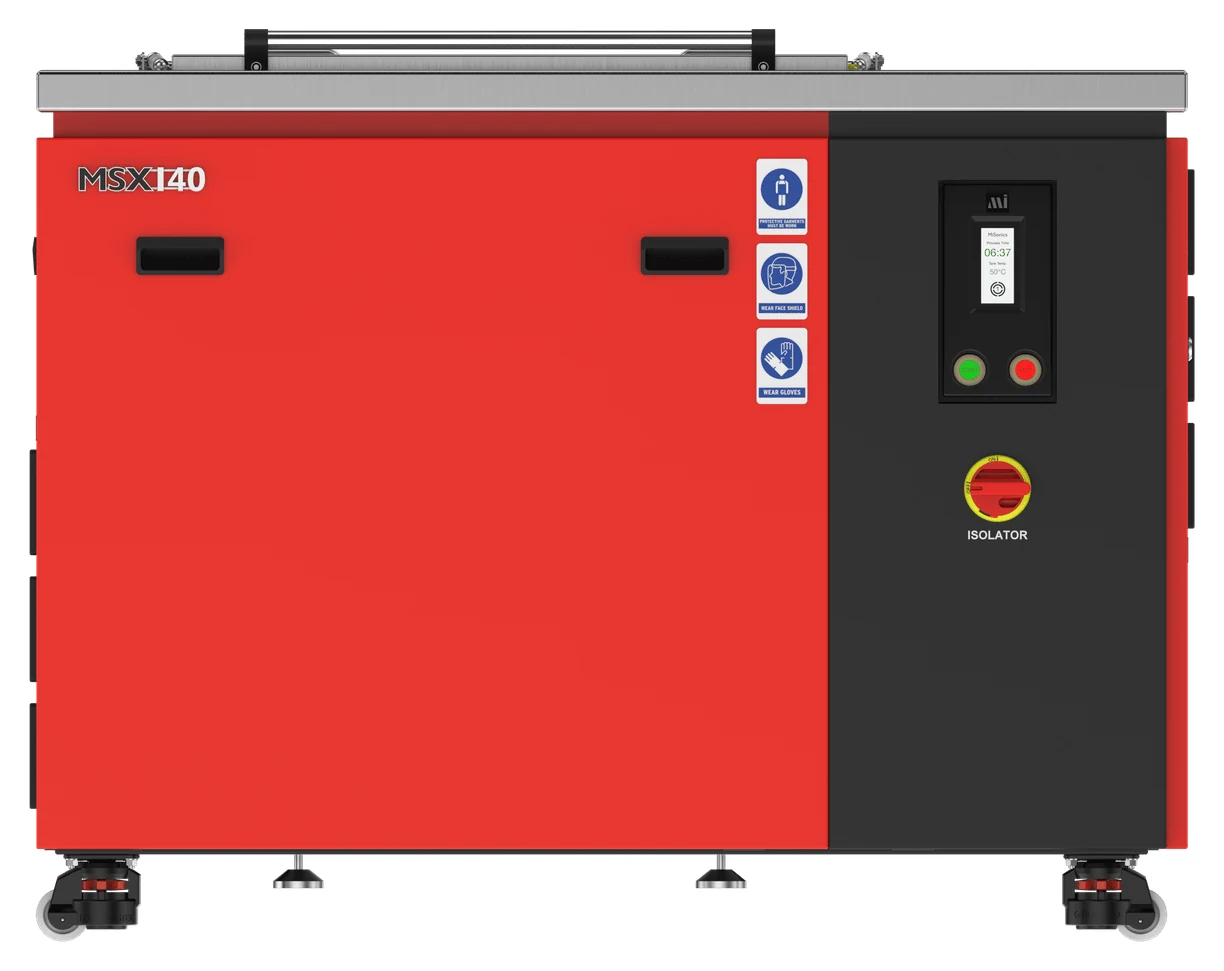
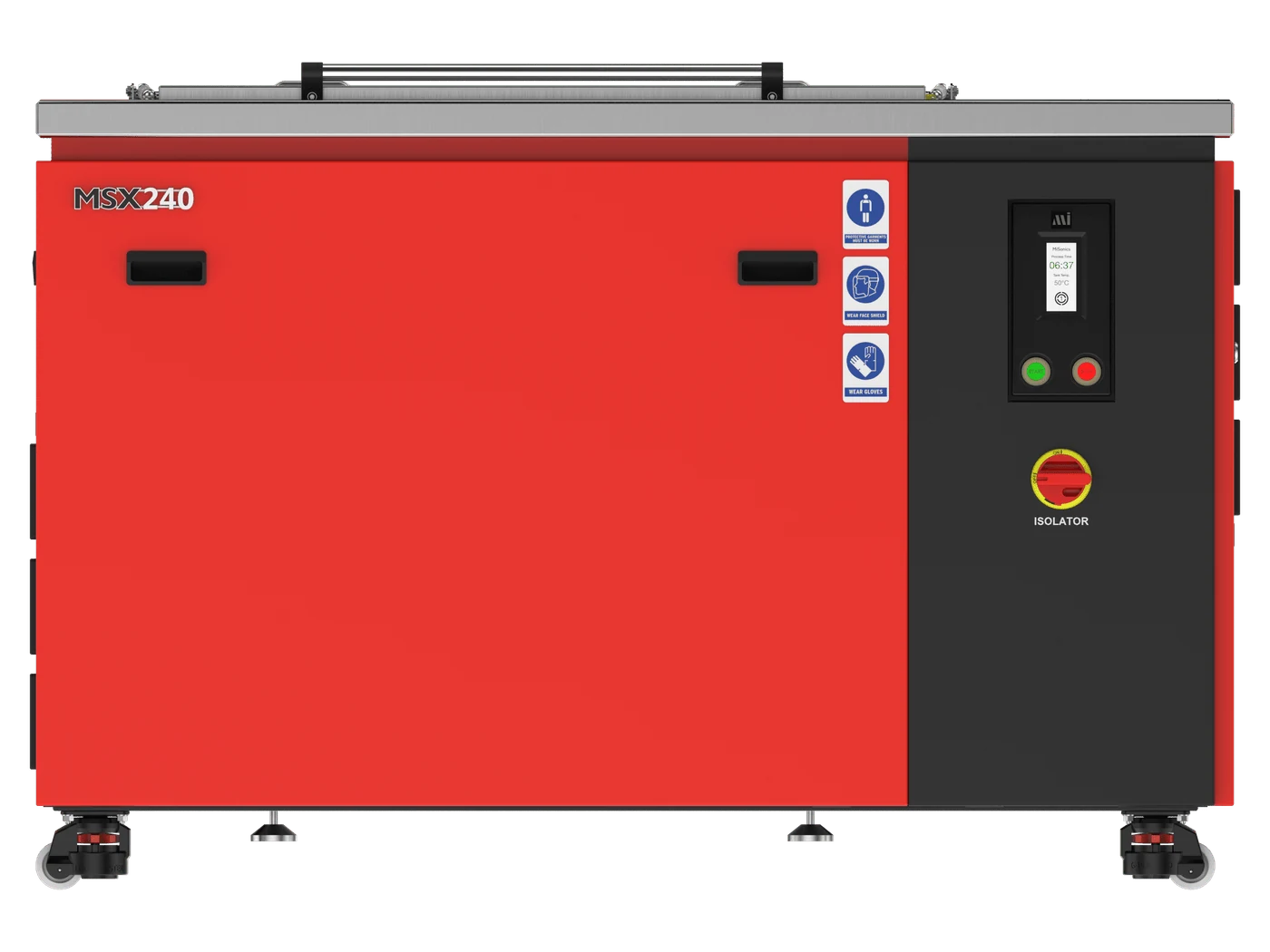
Misonics supplies the ultrasonic cleaner for car parts in every workshop size: benchtop machines for injectors and carburettors, and floor-standing tanks from 50 to 240 L for heads, manifolds, valve bodies and driveline parts.
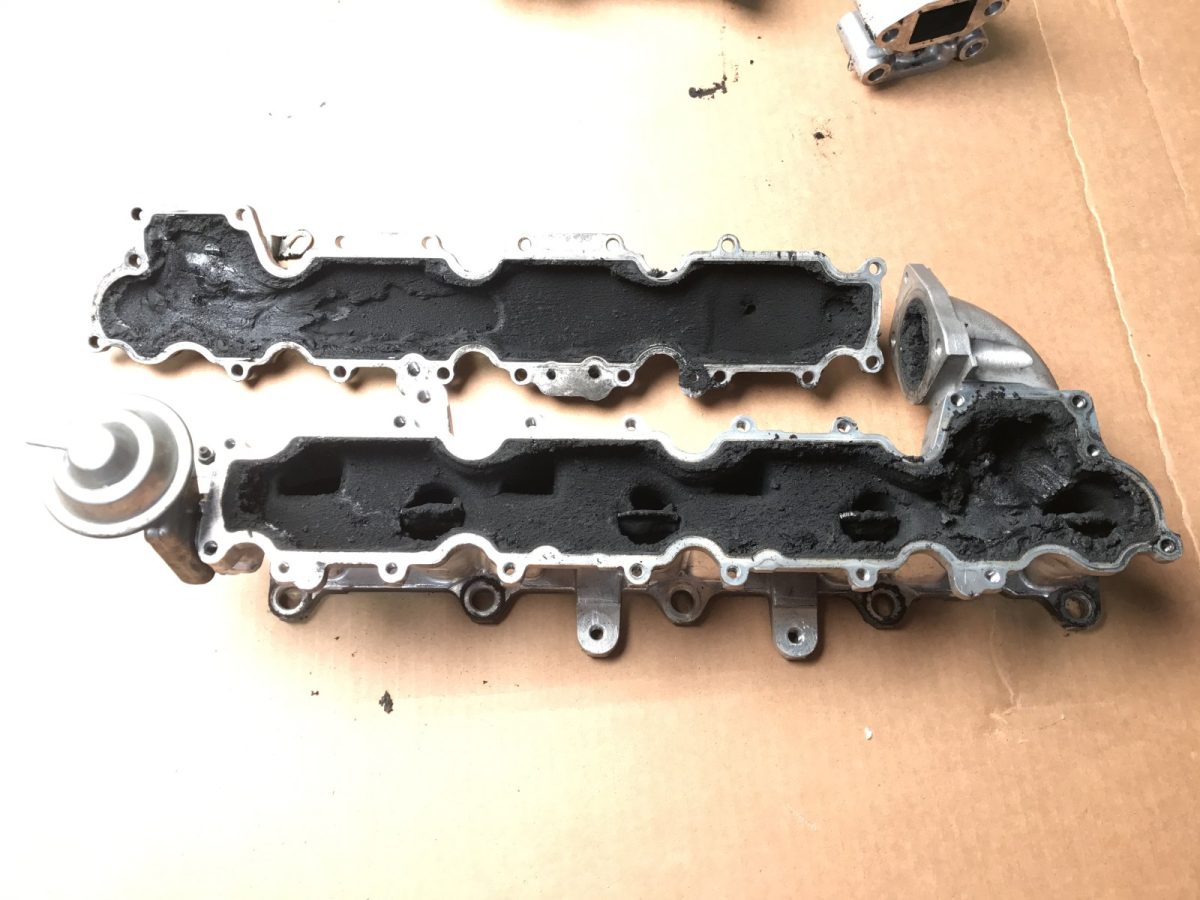
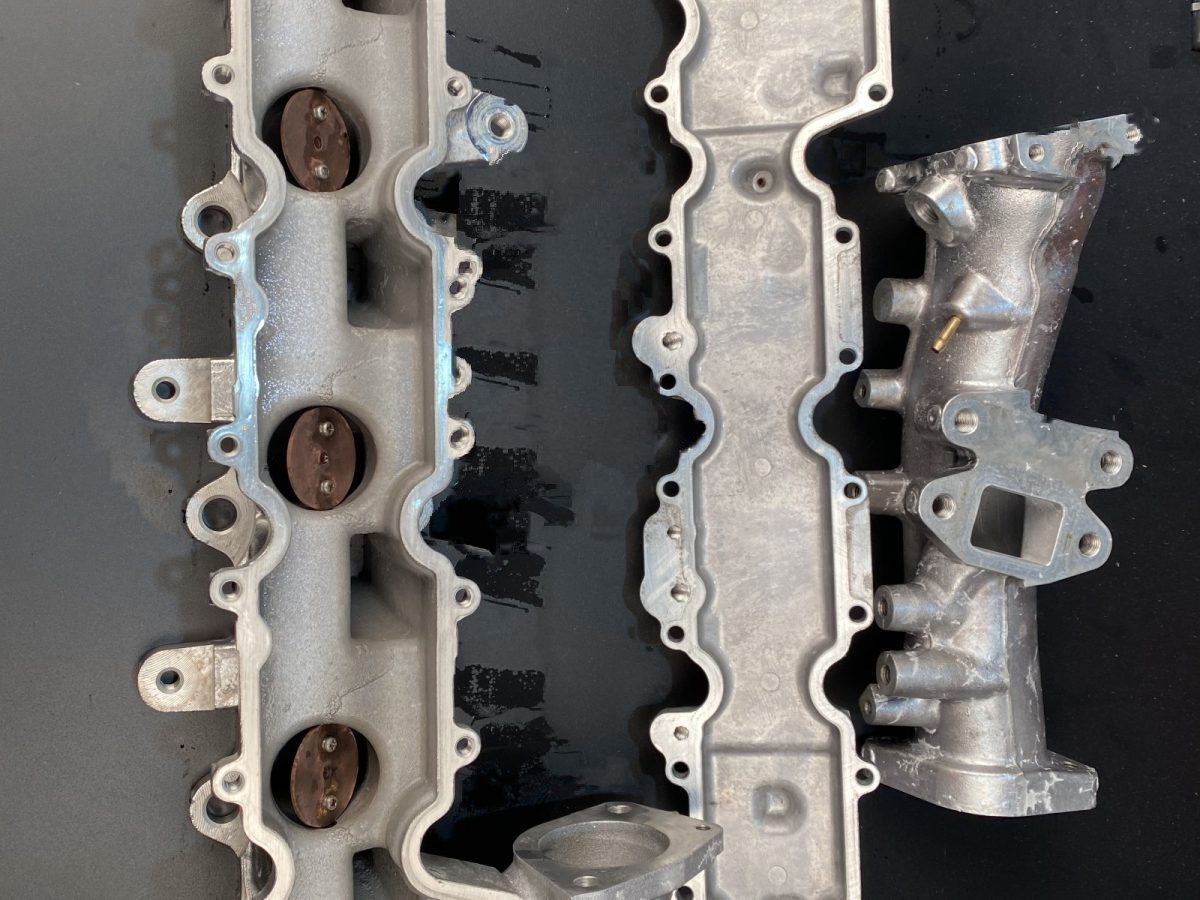
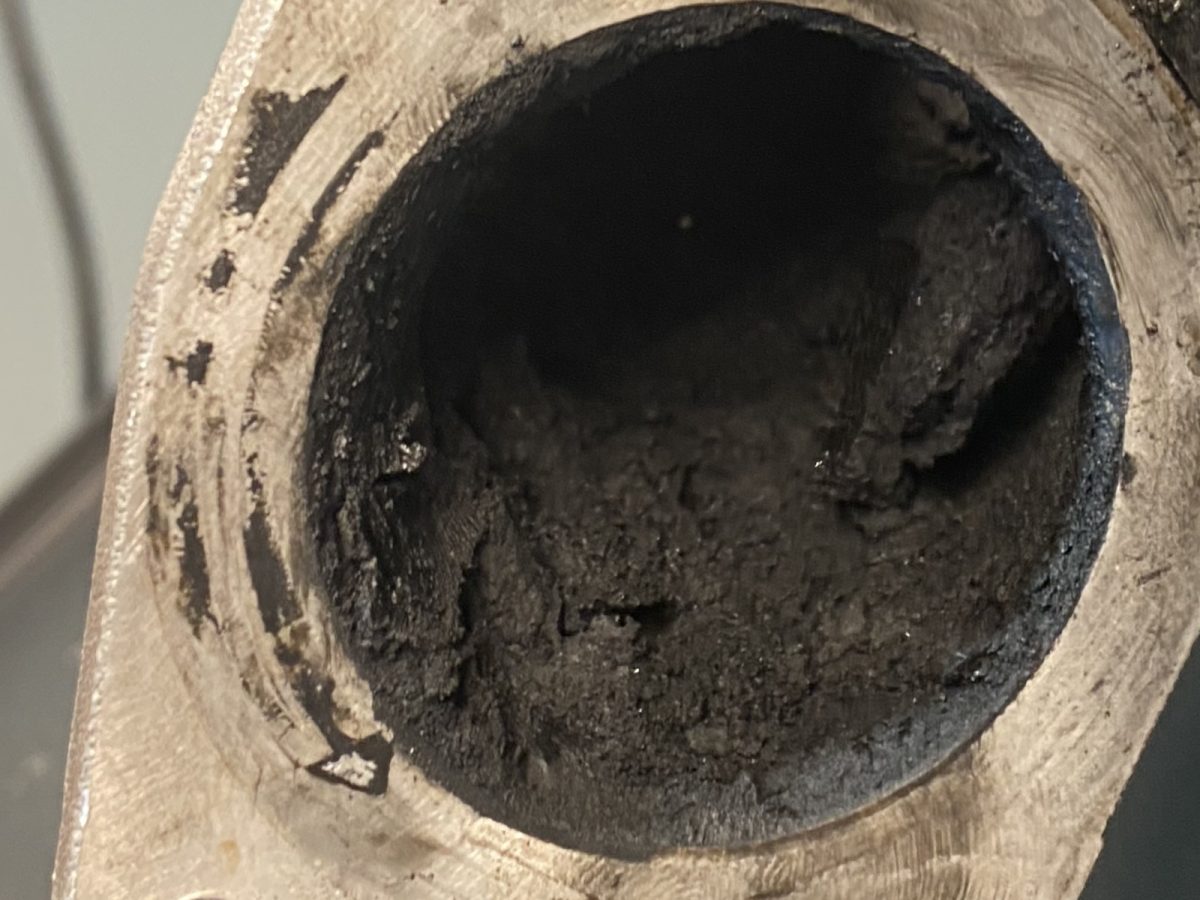
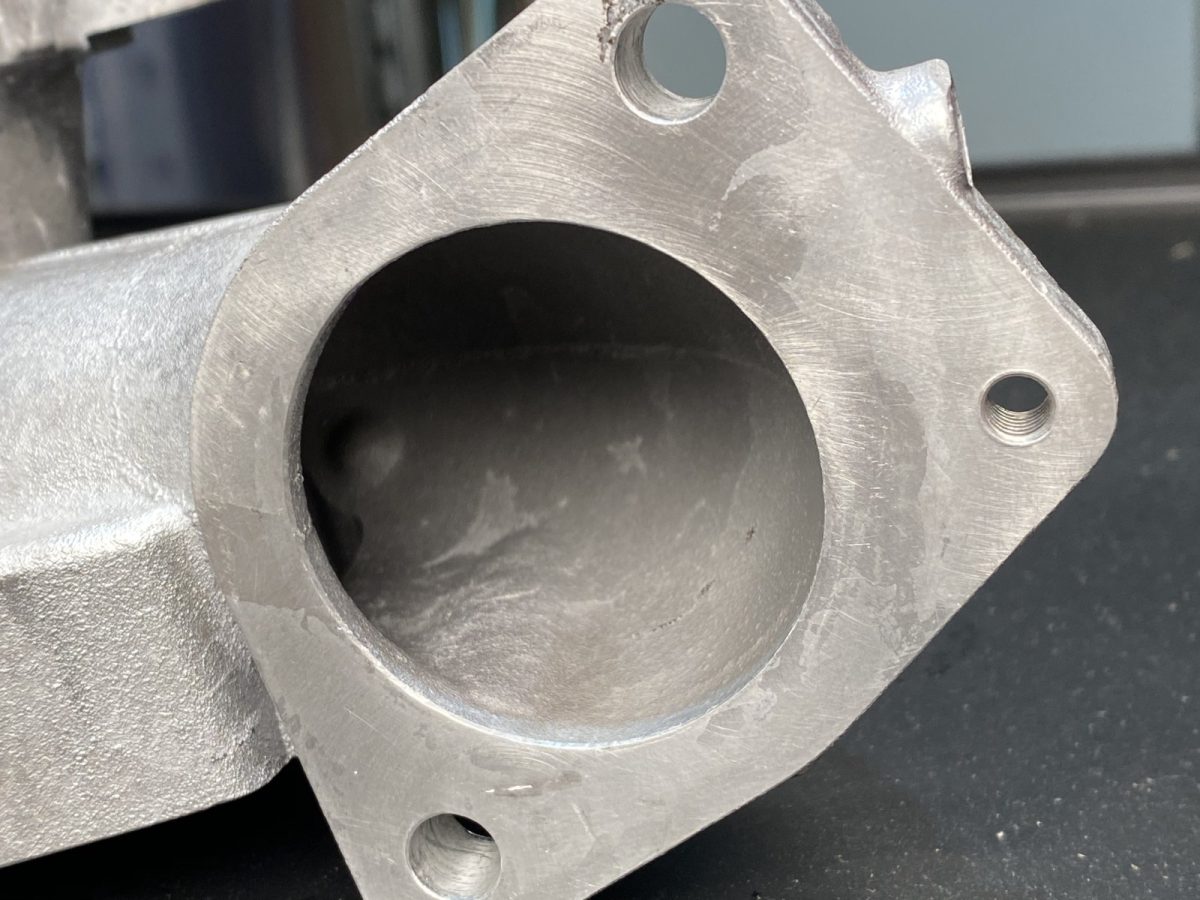
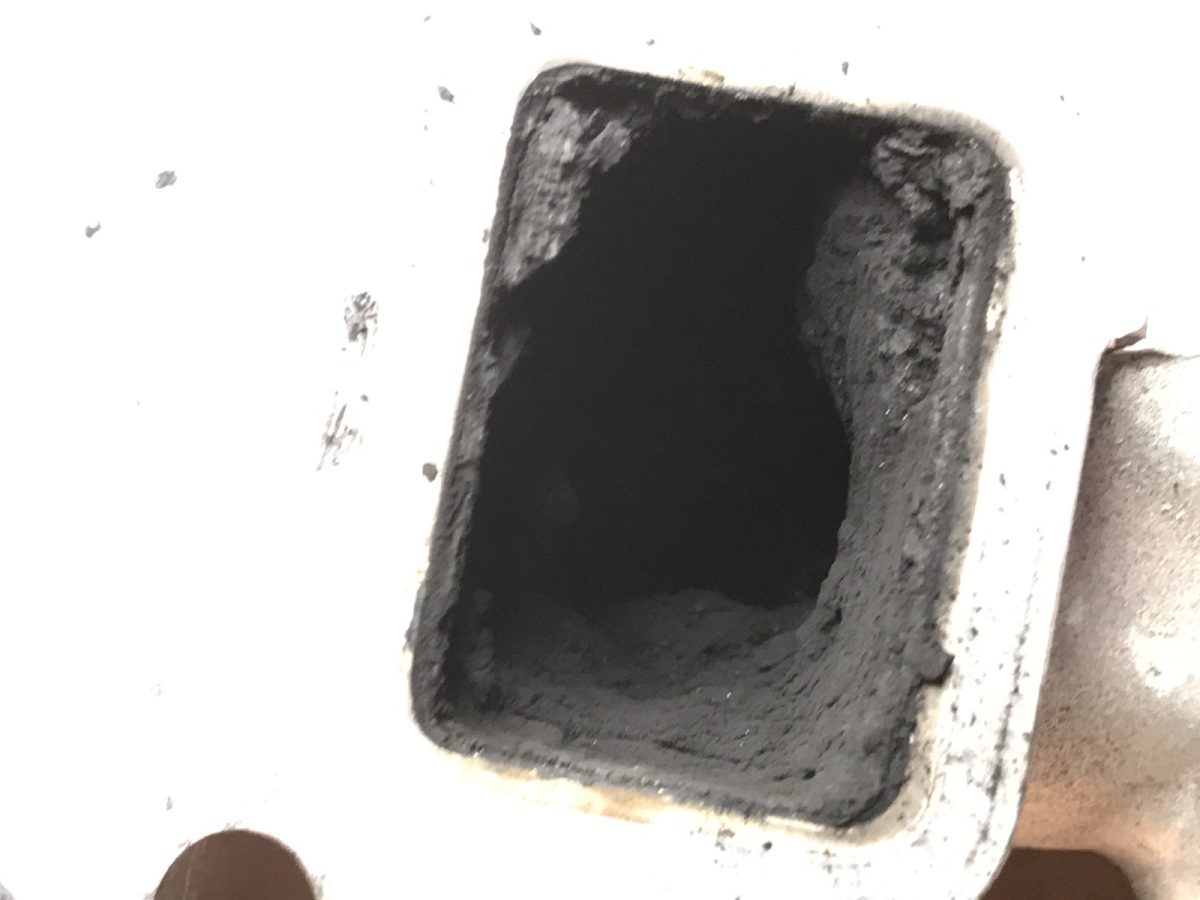
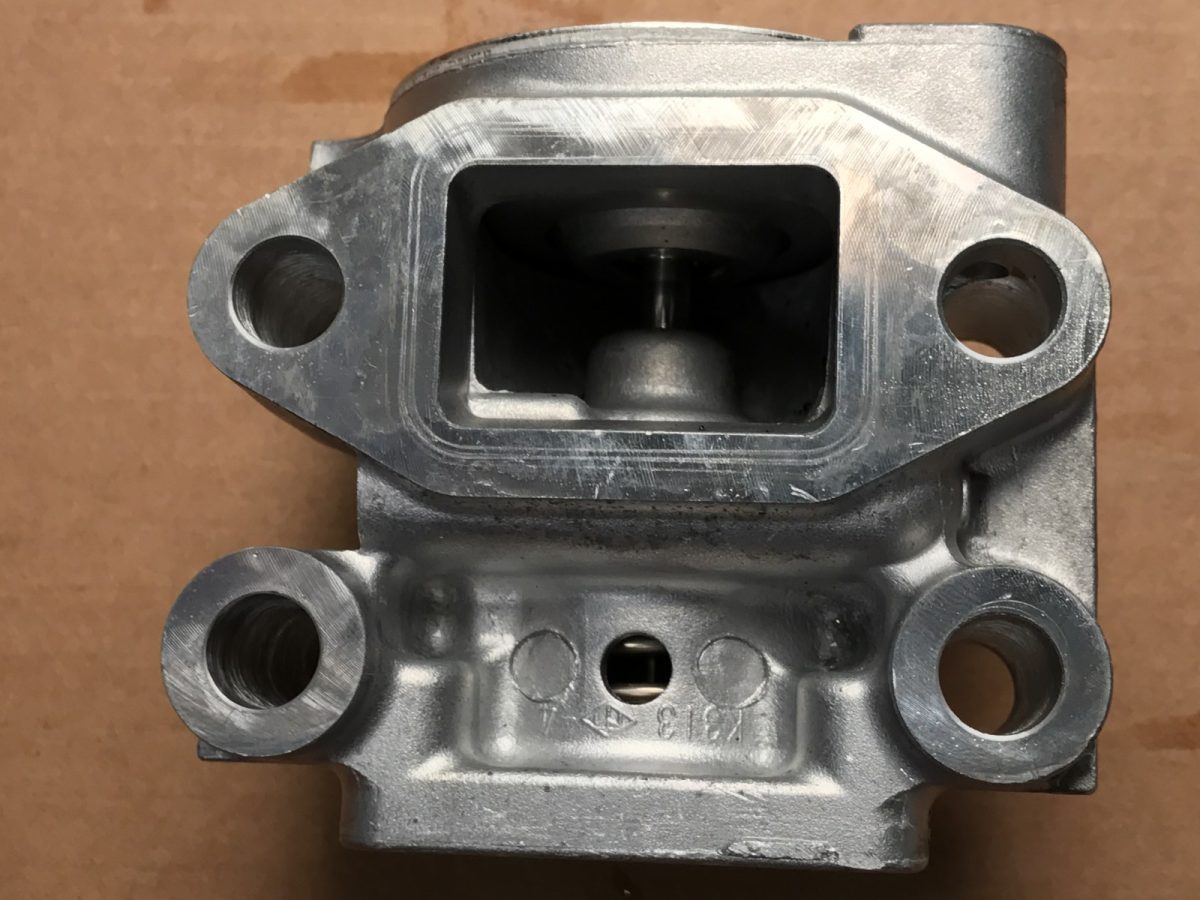
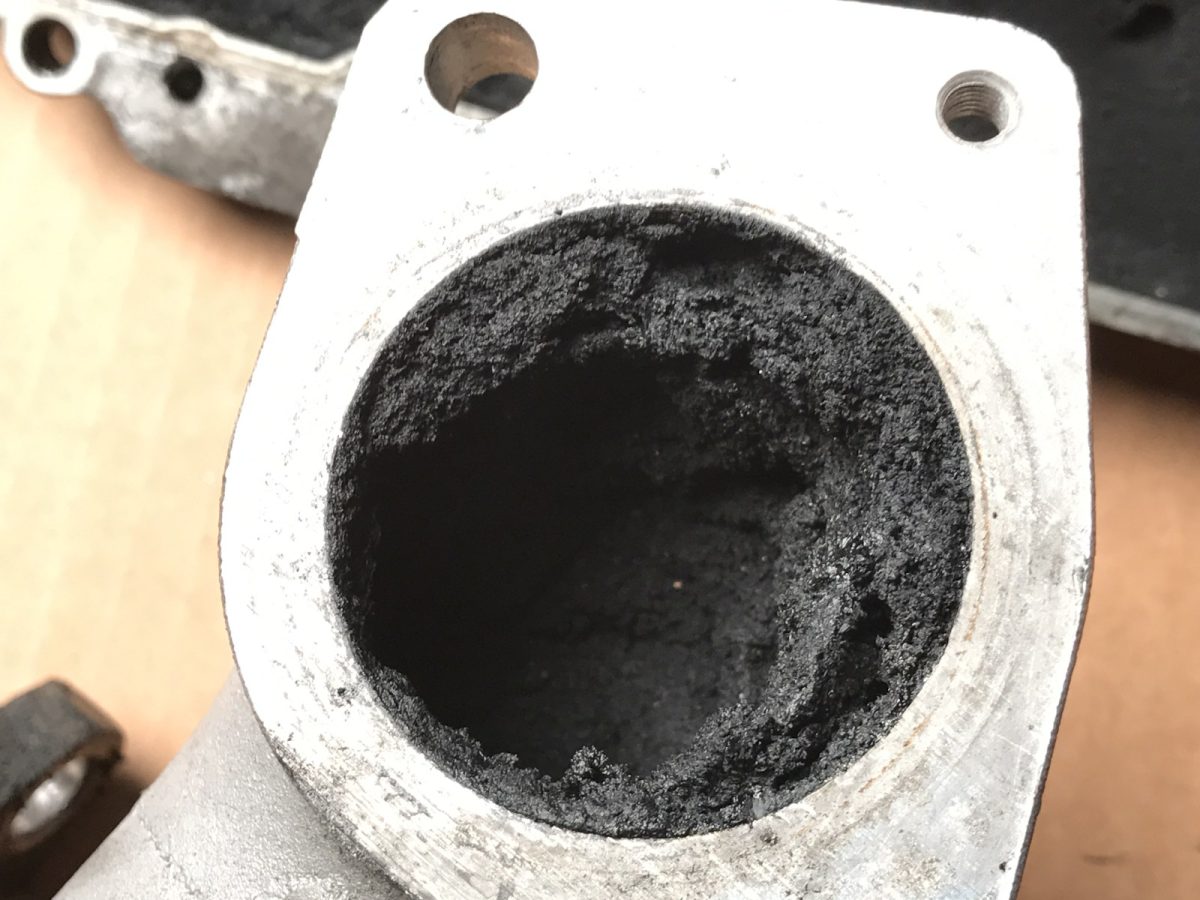
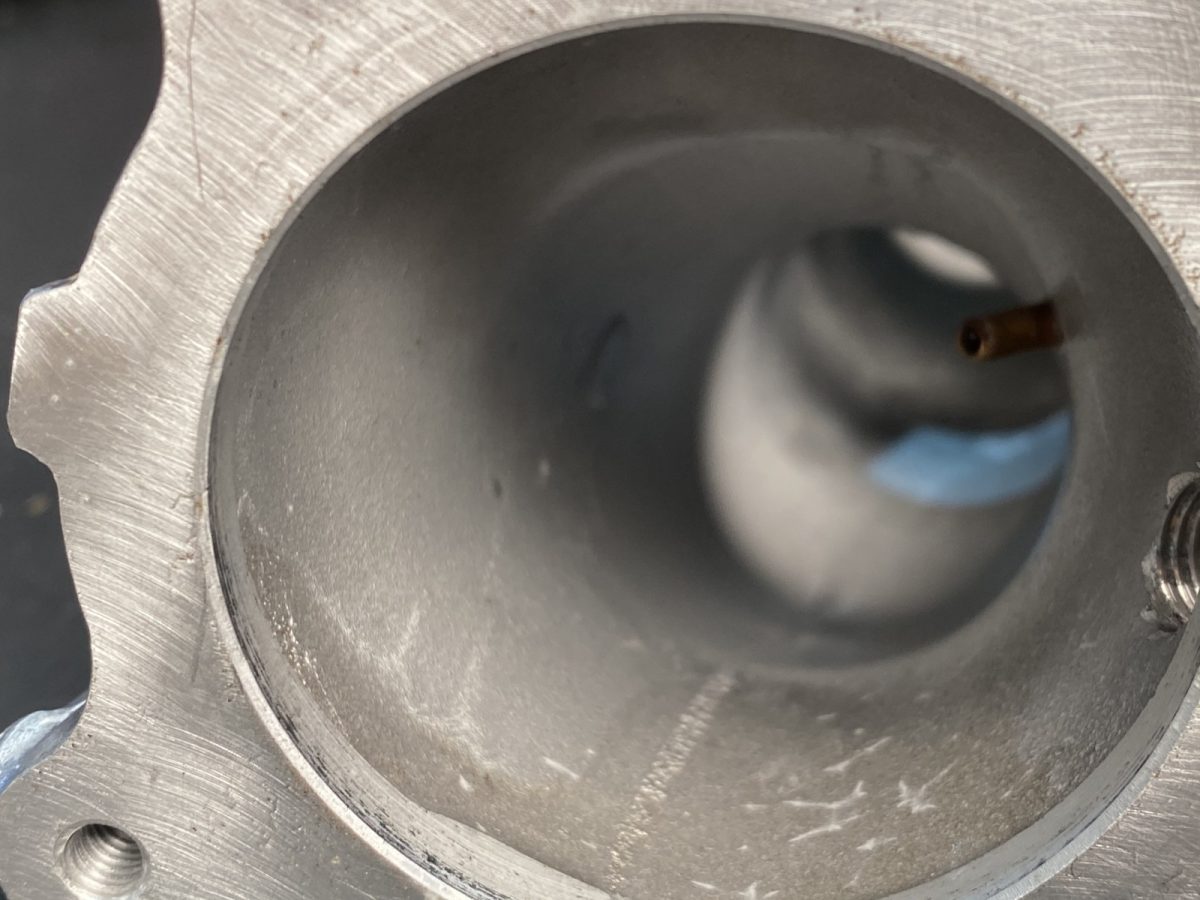
Diesel inlet manifolds from real service, photographed as they came in and after the ultrasonic cycle.


Manifold pair. Both banks cleaned together, so the engine gets a matched set back.


Flange port. The port was closing up on itself. Airflow is the job of this casting.


Rectangular inlet port. Hard carbon no rotary tool reaches without cutting metal.


Port bore. Back to the casting finish, with no media left behind to circulate.
Settings below are from each product's technical data sheet. Rinse after every cycle.

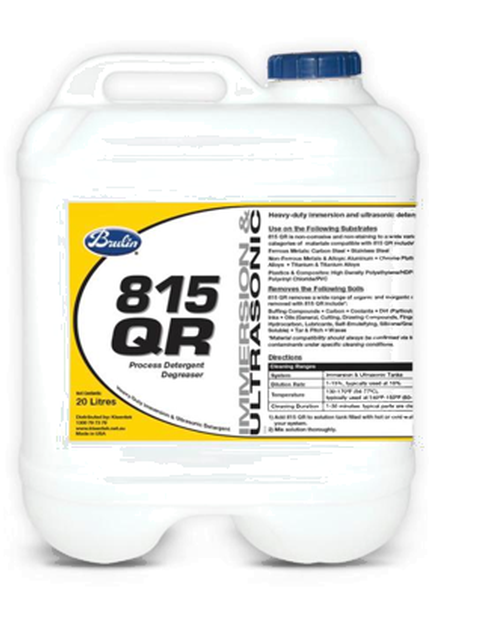
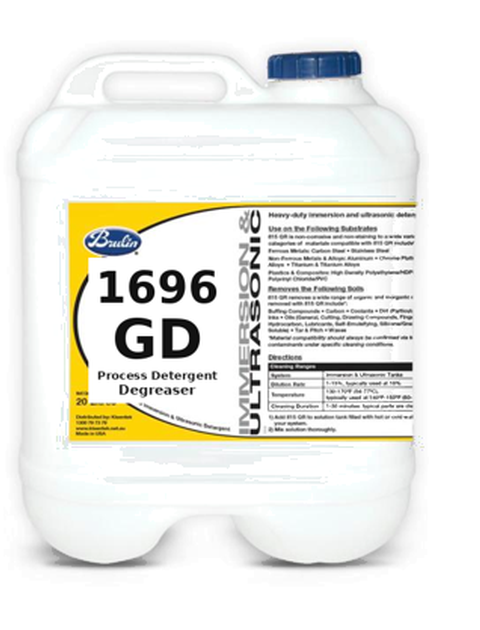
Heavy grease and carbon off steel, cast iron and aluminium. The everyday bath for workshop parts.
Not for copper, brass or bronze.
Product page →
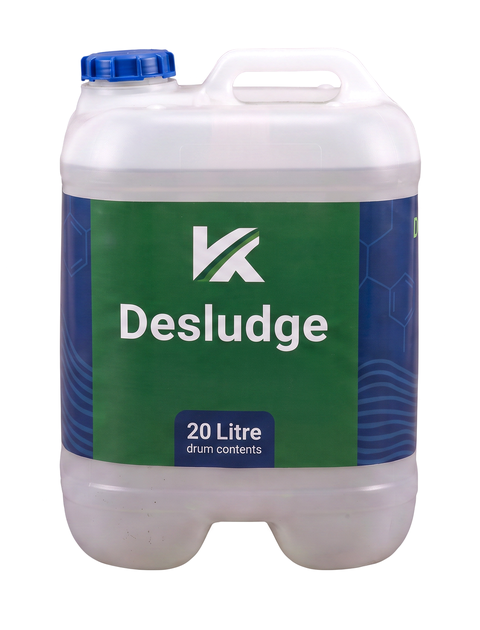
Carbon and sludge out of inlet manifolds, EGR parts, throttle bodies and sumps.
Aluminium is protected at working strength. Not for zinc, galvanised or magnesium.
Product page →
Near-neutral cleaner for carburettors and mixed aluminium and brass parts.
Test zinc die-cast bodies on a scrap part first.
Product page →
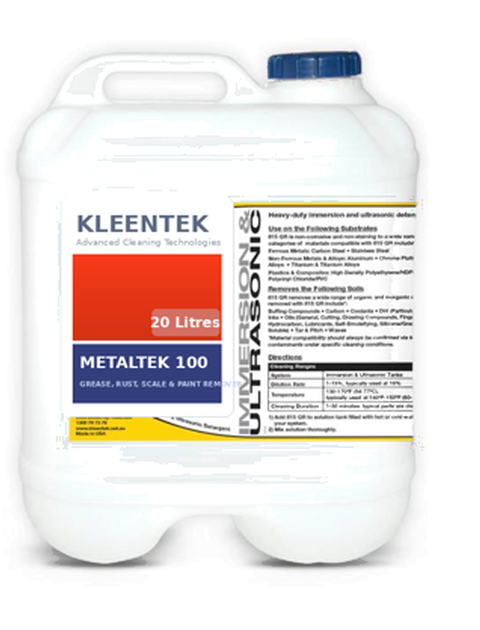
Baked carbon, paint and rust back to bare metal on cast iron heads, blocks and steel parts.
Ferrous parts only. Never aluminium.
Product page →
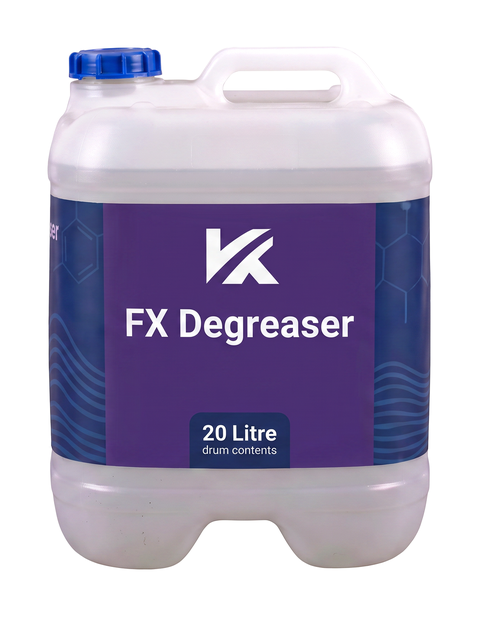
Light oil, grease and road film on steel parts.
On aluminium keep to 5% and 50 °C.
Product page →
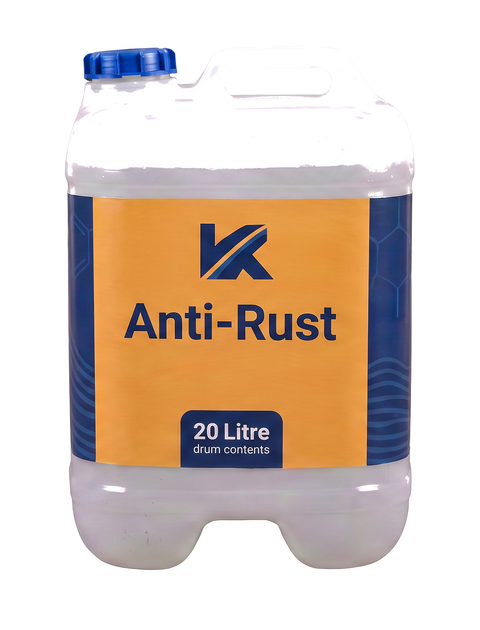
Bare iron and steel flash rust while warm and wet. A dip after the rinse stops it.
Benchtop machines for small parts. Floor-standing MSX tanks from 50 to 240 L for heads, manifolds and driveline work.


Engine blocks and whole assemblies go in the EvoSonic range, from 180 L with a lift platform. The MSX 150 adds a rinse tank in the same frame.
Carburettors, injectors, throttle bodies, inlet manifolds, fuel rails, EGR valves.
Cylinder heads, valves, pistons, rods, rocker gear, oil pump parts.
Transmission valve bodies, calipers, ABS valve blocks, hydraulic fittings.
Strip the part first. Rubber seals, diaphragms, plastic floats and sensors come off before it goes in the basket.
Take off seals and plastics. Knock off heavy deposits.
Bring the bath to temperature and degas it before the first load.
Space the parts so they do not shield each other.
10 to 15 minutes for most parts. Baked carbon on iron takes longer.
Clean water, then blow passages through with air.
Dip ferrous parts in Anti-Rust, dry and rebuild.
Heated to 80 °C, insulated on the floor machines.
Delivered power holds steady as the basket goes in.
Weir, oil capture and filtration keep the bath working on oily parts.
Bath changes without bailing. Baskets carry the weight of real parts.
Every automotive part we clean, with the trial photos.
Jackets, galleries and faces stripped in one immersion.
Grooves cleared of carbon without scraping.
The 15 L and 30 L bench machines.
From carburettor banks to cylinder heads.
Every cleaning chemistry, with data sheets.
Machines, solution and settings for carburettors, jets and throttle bodies.
Tell us the parts, the soil and how many you clean in a week. We will come back with a machine size and a chemistry.